
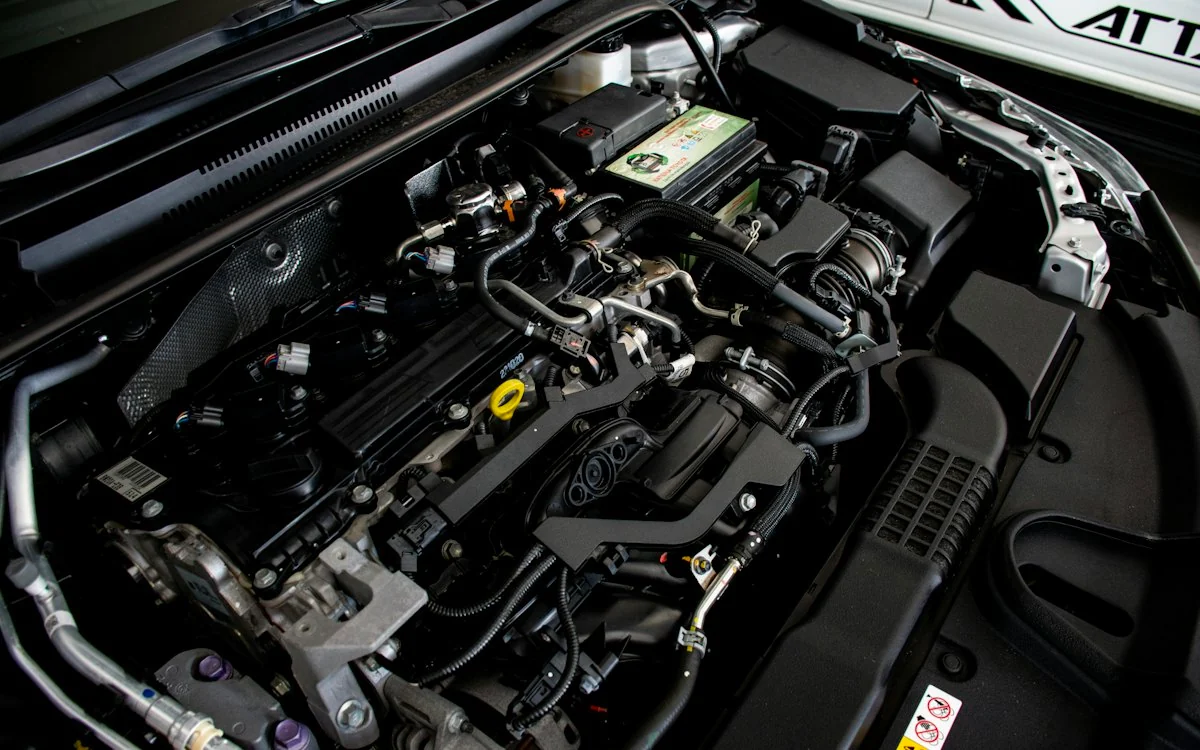
60 guides · 6 topics
Straight answers that save Milpitas drivers money
Every guide answers your question in the first paragraph, so you know what is wrong, how urgent it is and what a fair fix looks like before you spend anything.
Japanese import ownership and care
What you get: Keep your Honda, Toyota or Nissan running past 200,000 miles while paying only for the service it really needs, with no dealer add-ons.
Related service: Japanese import repair in Milpitas

How often Honda and Toyota owners in Milpitas should service their cars
Most modern Hondas and Toyotas need an oil service every 5,000 to 10,000 miles, guided by the car's maintenance minder, plus a fuller inspection about once a year.
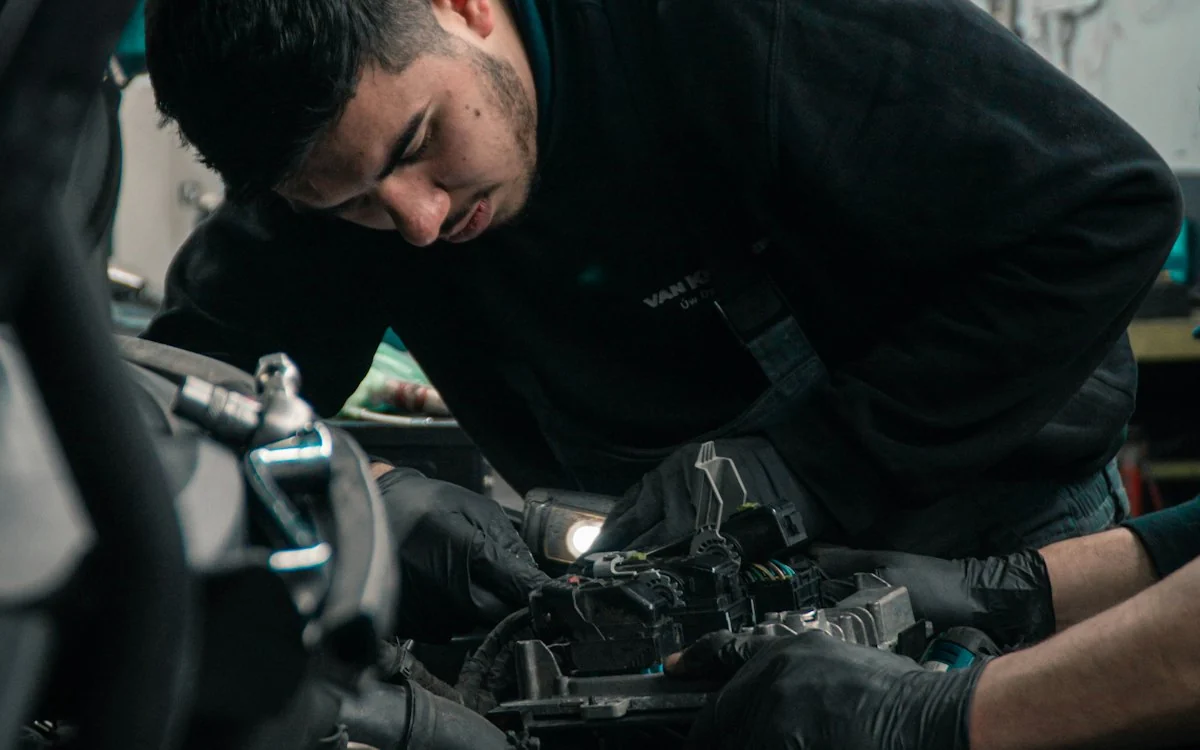
Why Japanese imports last: the maintenance that actually matters
Japanese imports last because they are engineered with conservative tolerances, but they only reach 250,000 miles when four things are done on time: clean oil, fresh coolant, healthy transmission fluid and timely spark plugs.
Lexus and Acura maintenance costs, explained honestly
Lexus and Acura maintenance shares most parts and procedures with Toyota and Honda, so the real cost difference comes from labor rates and how many items get bundled into a visit.

Common high-mileage problems on Civics and Corollas (and the fixes)
Past 150,000 miles, Civics and Corollas most often need engine mounts, valve cover gaskets, A/C compressor clutches and suspension bushings.
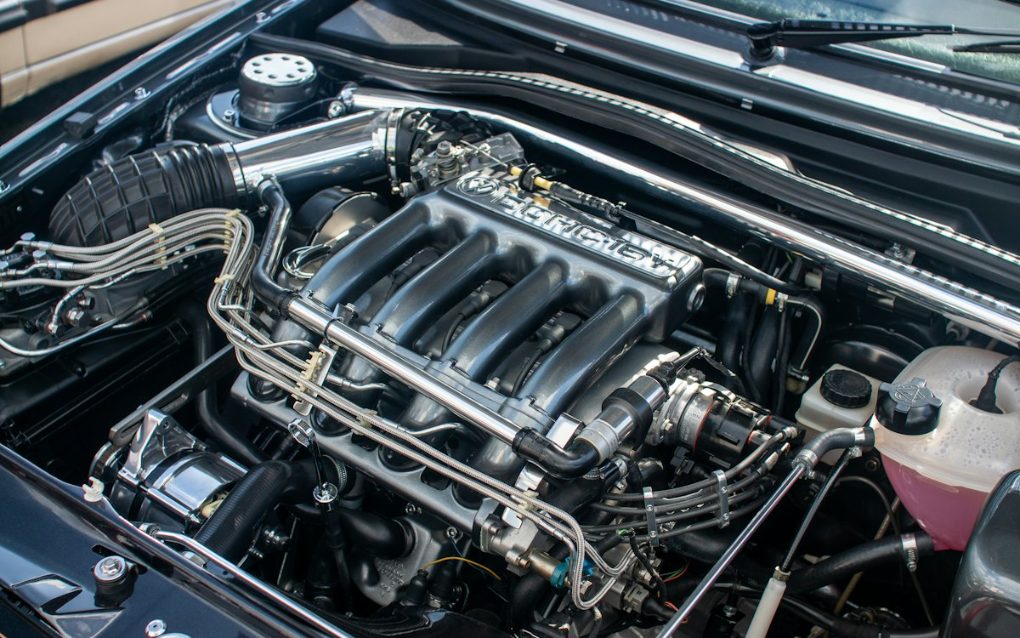
Timing chain vs timing belt: what your Japanese car has and why it matters
A timing belt is a rubber part with a scheduled replacement interval, typically 90,000 to 105,000 miles, while a timing chain is metal and designed to last the life of the engine with clean oil.

Nissan CVT transmission care: what every owner should know
Nissan CVTs last longest when the fluid is changed with genuine NS-2 or NS-3 fluid every 25,000 to 60,000 miles, depending on driving, and when overheating is avoided.
Dealer vs independent shop for Japanese imports in Milpitas
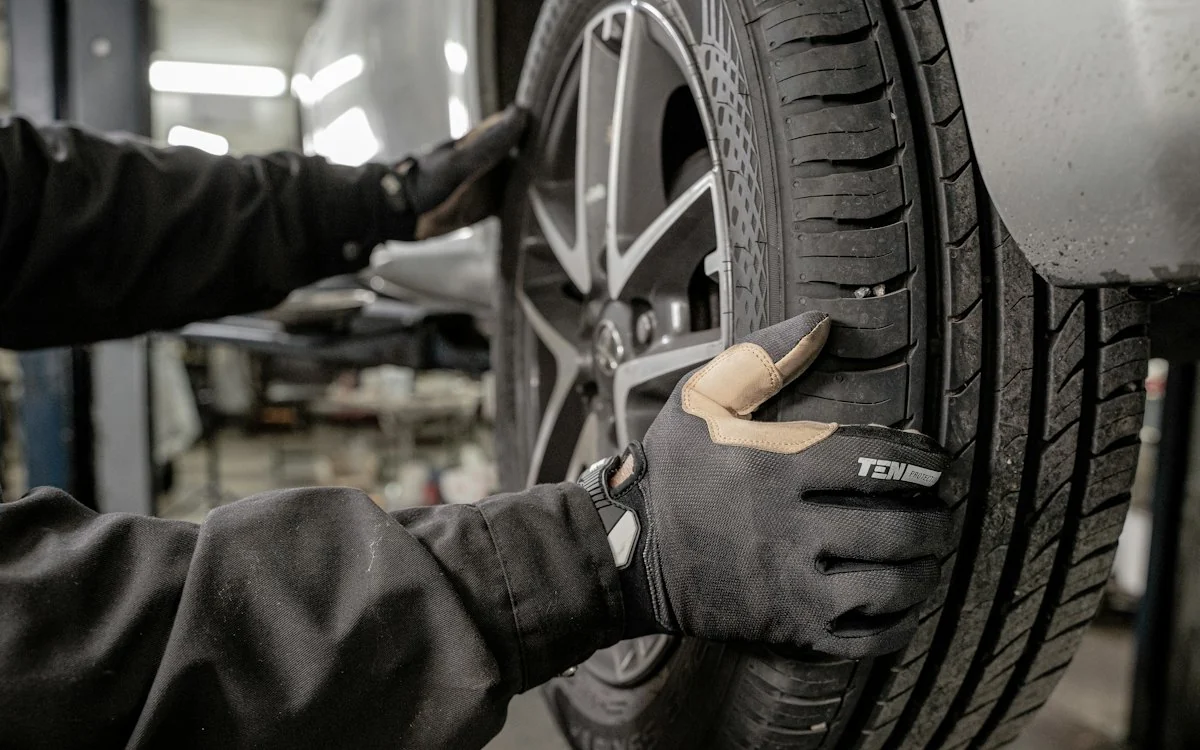
Dealers are the right choice for warranty and recall work, while a specialist independent shop is usually the better value for routine maintenance and out-of-warranty repairs.
Hybrid maintenance basics for Prius and Camry Hybrid owners
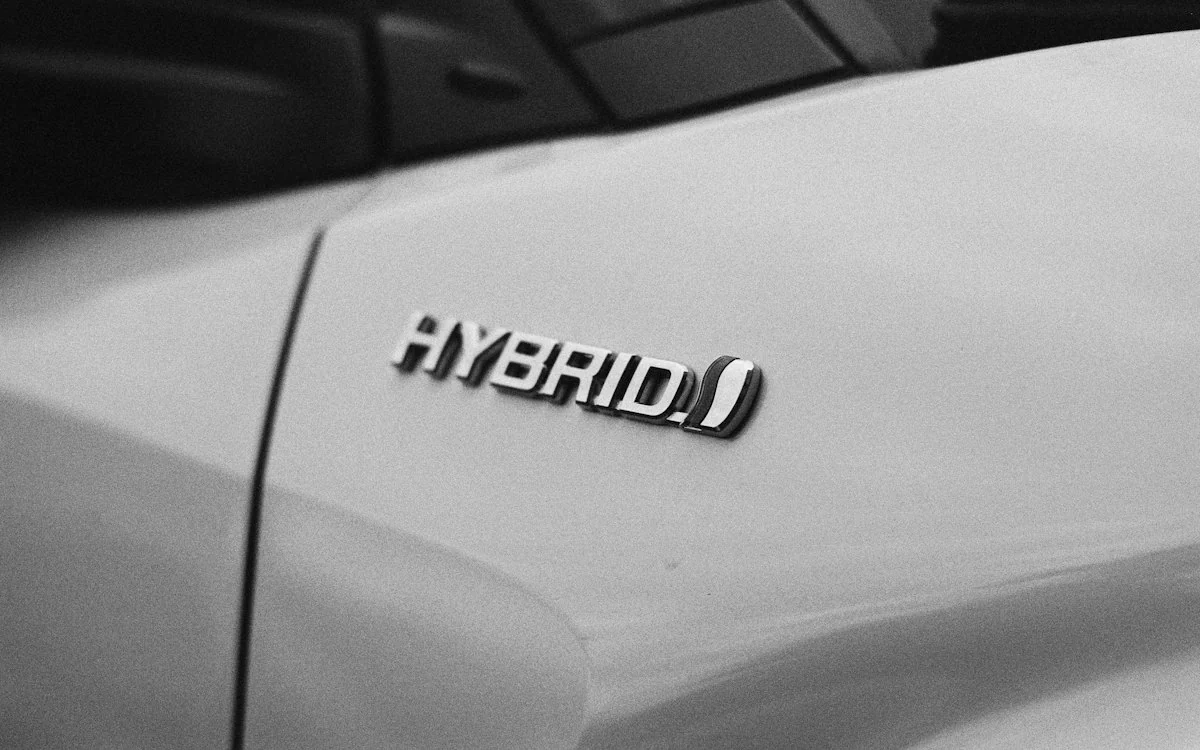
Toyota hybrids need the same oil, coolant and brake fluid care as other cars, plus two hybrid-specific items: a clean hybrid battery cooling fan filter and inverter coolant changed on schedule.

The maintenance schedule that keeps a Toyota past 200,000 miles
A Toyota reaches 200,000 miles when oil is changed on time, coolant is replaced around 100,000 miles and then every 50,000, transmission fluid is serviced roughly every 60,000 miles in severe use, and spark plugs are replaced near 120,000 miles.
Infiniti and Lexus: luxury-import upkeep without dealer prices
Infiniti and Lexus models run on proven Nissan and Toyota engineering, which means an experienced independent shop can maintain them to factory standards.

Why your Japanese import's check-engine light is on after a gas fill-up
A check-engine light that appears right after refueling is most often an evaporative emissions code caused by a loose or worn gas cap.

Pre-winter and pre-summer checks for Bay Area commuter cars
Before summer, check coolant, A/C performance and tire pressure for hot afternoons on 880.
Check-engine lights and diagnostics
What you get: Know right away whether a warning light is urgent or can wait, and avoid paying for parts that will not fix the problem.
Related service: Check-engine diagnostics in Milpitas
What a check-engine light really means (and what to do next)
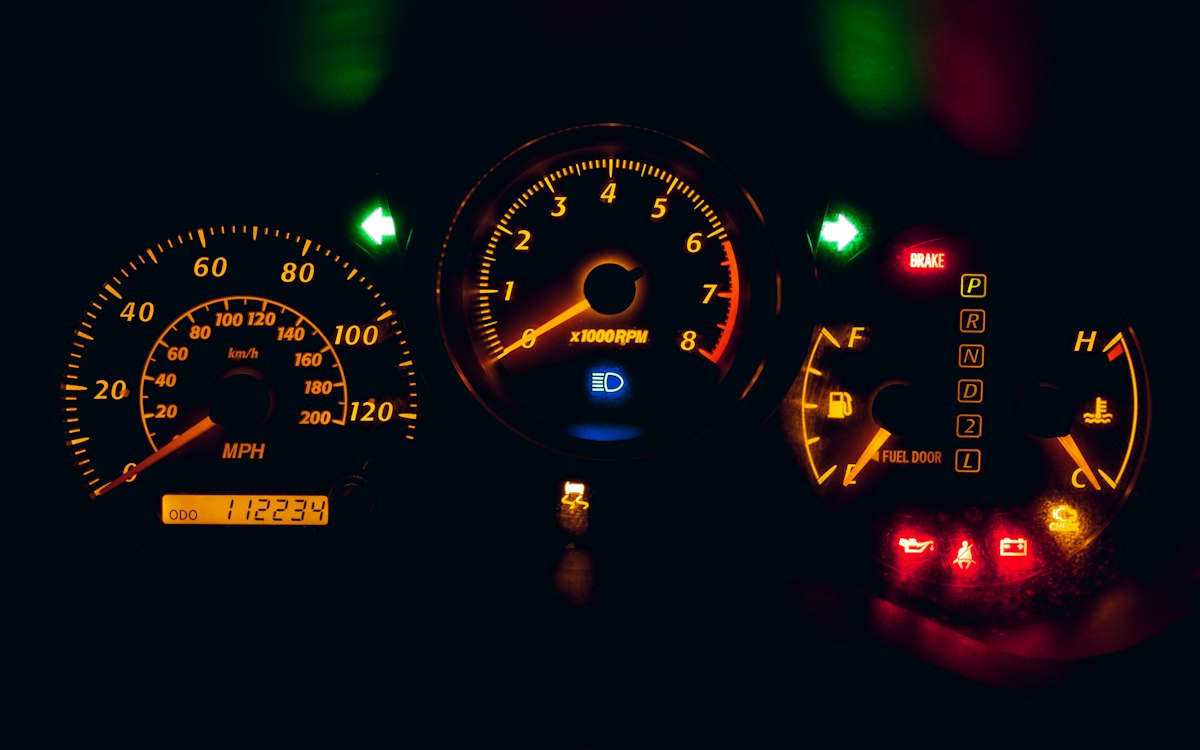
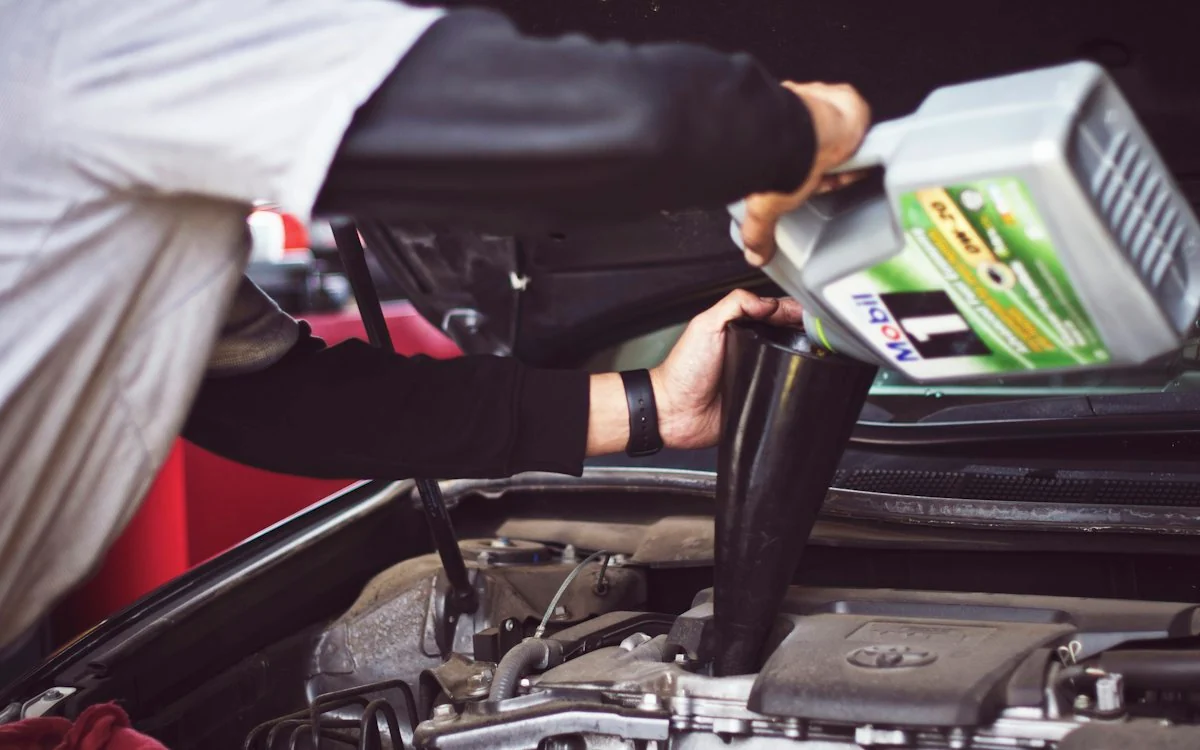
A check-engine light means the engine computer has detected a fault in emissions, ignition, fuel or sensor systems.
Why replacing the part a code names often does not fix the problem
Trouble codes describe a symptom the computer measured, so the part named in a code is often reporting a problem rather than causing it.

Flashing check-engine light: why you should stop driving
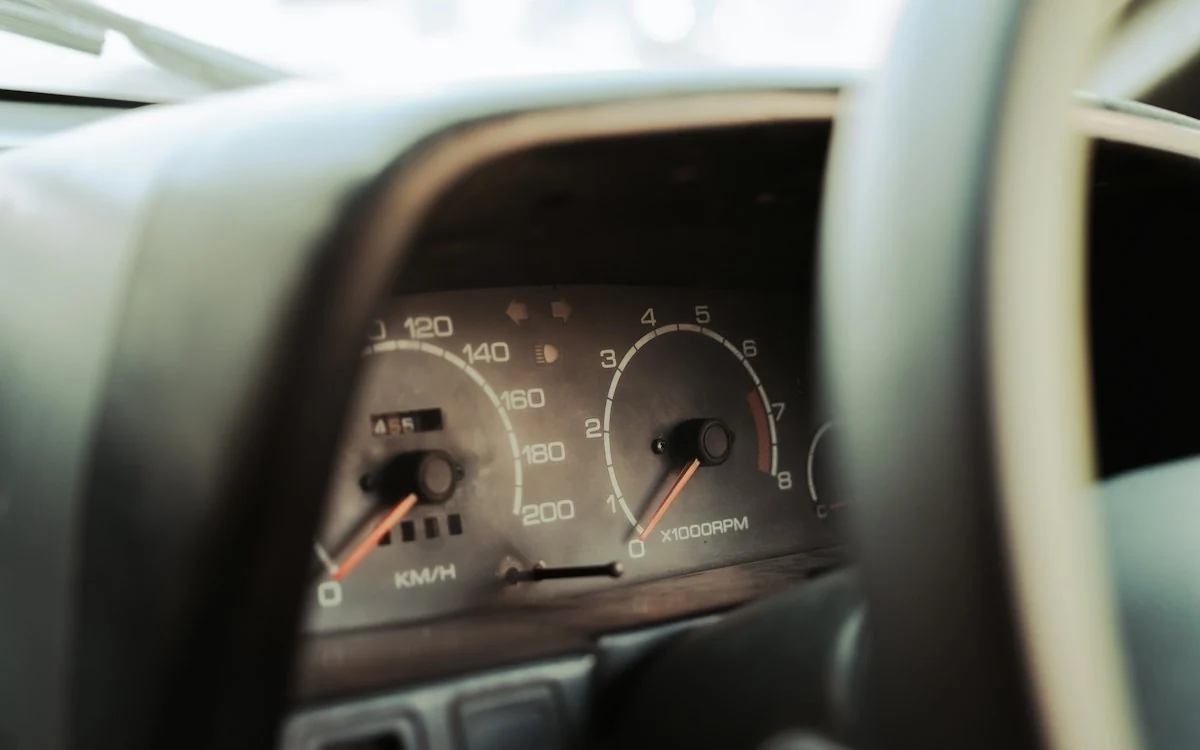
A flashing check-engine light means the engine is misfiring badly enough to send unburned fuel into the exhaust, which can overheat and ruin the catalytic converter.
Common check-engine codes on Japanese imports, explained
The codes we see most on Hondas, Toyotas and Nissans are P0420 for catalyst efficiency, P0171 for a lean condition, P0300-series codes for misfires, P0455 for an EVAP leak and P0128 for a thermostat that warms up too slowly.
How much a car diagnostic should cost in Milpitas
A proper diagnostic is billed as testing time, and the price depends on how long it takes to confirm the cause.
Car shaking and losing power: likely causes and fixes
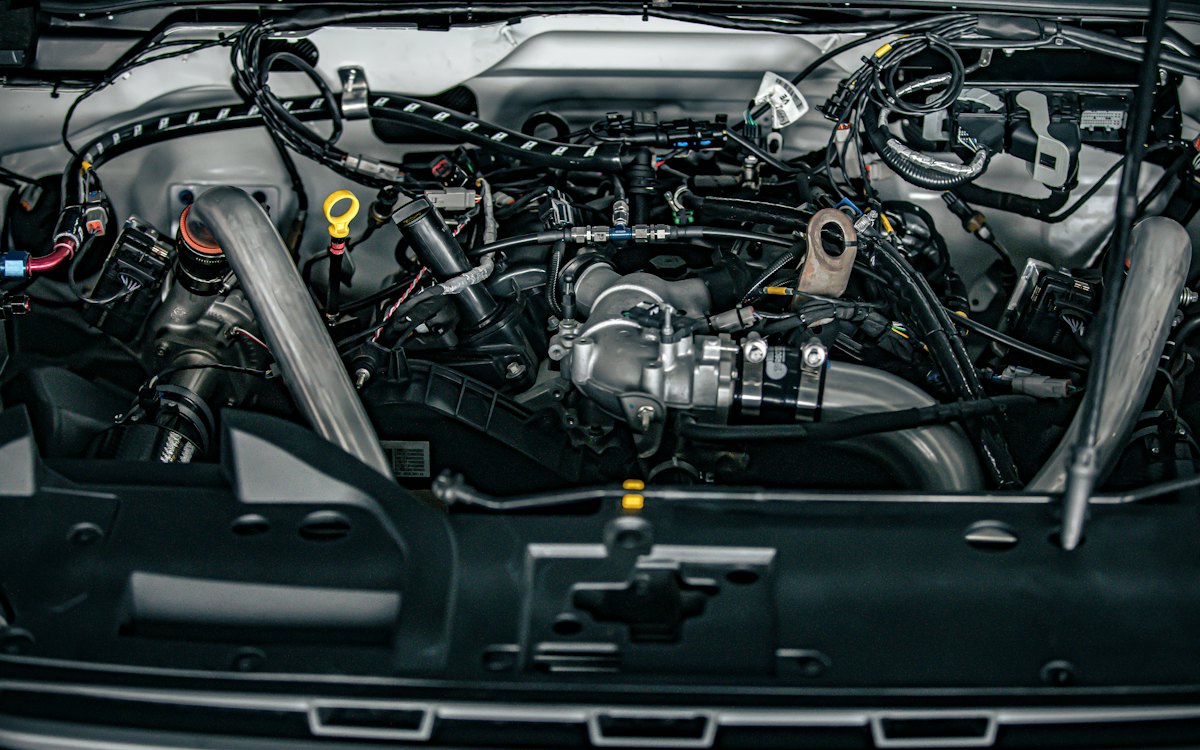
A car that shakes and loses power usually has a misfire, a fuel delivery problem, a clogged air or exhaust path, or a transmission fault.
Can you still pass smog with the check-engine light on?
No.
Misfire basics: what it is, what it costs, how we find it
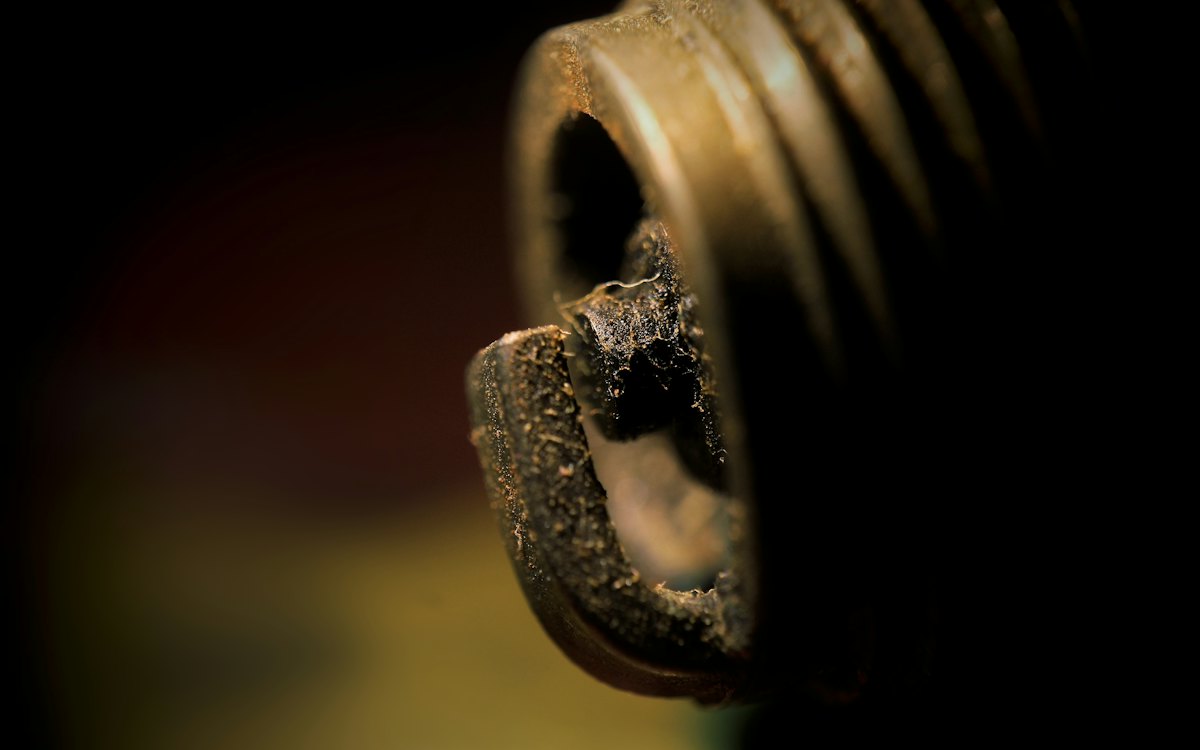
A misfire happens when a cylinder fails to burn its fuel completely, usually because of weak spark, poor fuel delivery or low compression.
The difference between a code reader and a real diagnosis
A code reader tells you which test the engine computer failed, while a real diagnosis uses live data, pressure tests, electrical tests and manufacturer information to prove why it failed.

Dashboard warning lights every Milpitas driver should know
Red warning lights such as oil pressure, temperature and brake system mean stop safely and investigate, while amber lights such as check-engine, ABS, tire pressure and traction control mean the car is drivable but needs attention soon.
Engine health and replacement
What you get: Make a big engine decision with real numbers, so you know when to repair, when to replace and when to walk away.
Related service: Engine replacement in Milpitas
Repair or replace your engine? How to decide with real numbers
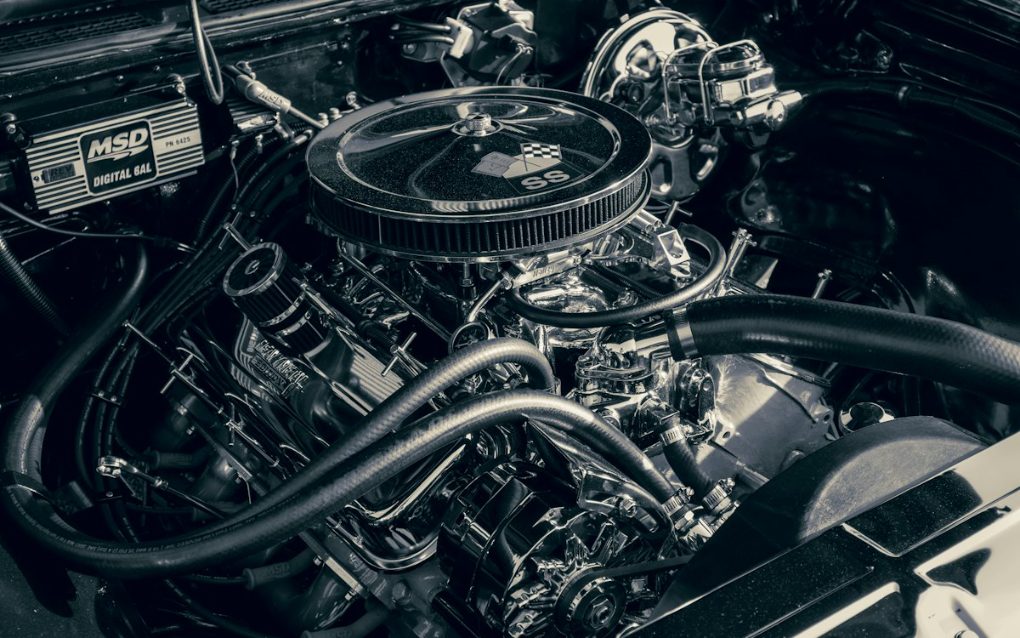
Repair the engine when the fault is isolated and the rest of the engine tests healthy, replace it when there is internal damage or several major faults at once, and replace the car when the total cost exceeds what the car is worth to you.
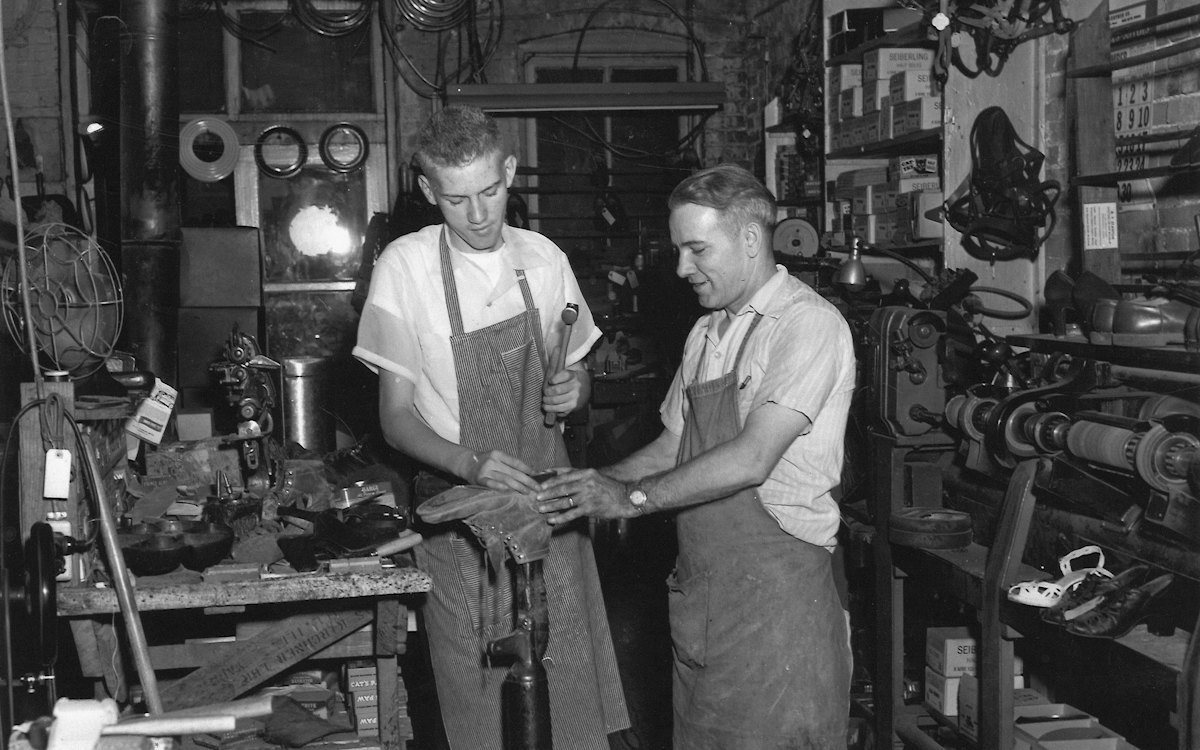
New vs remanufactured vs used engines: the honest trade-offs
A new engine offers the best certainty at the highest price, a remanufactured engine is rebuilt to factory specifications with new wear parts and a solid warranty, and a used engine costs the least but carries the most unknowns.
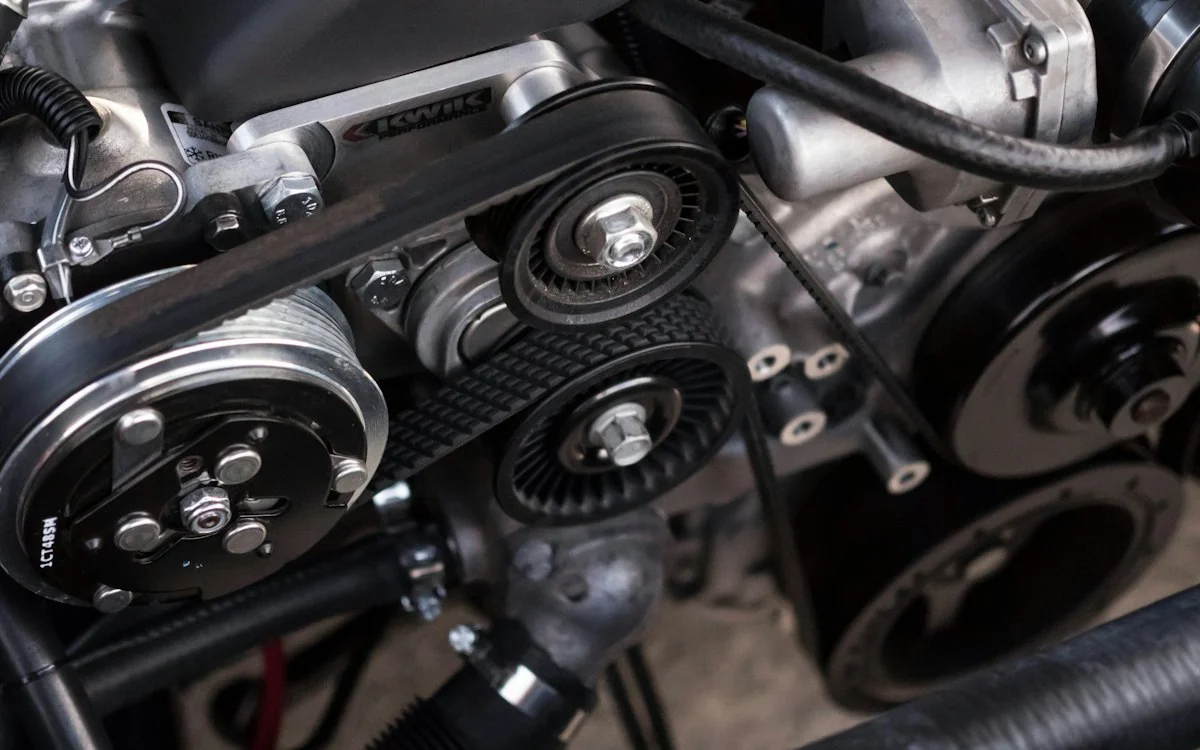
Signs your engine may be failing (and what is still fixable)
Knocking from the bottom of the engine, blue smoke, milky oil, heavy oil consumption and repeated overheating are the warning signs of serious engine trouble.
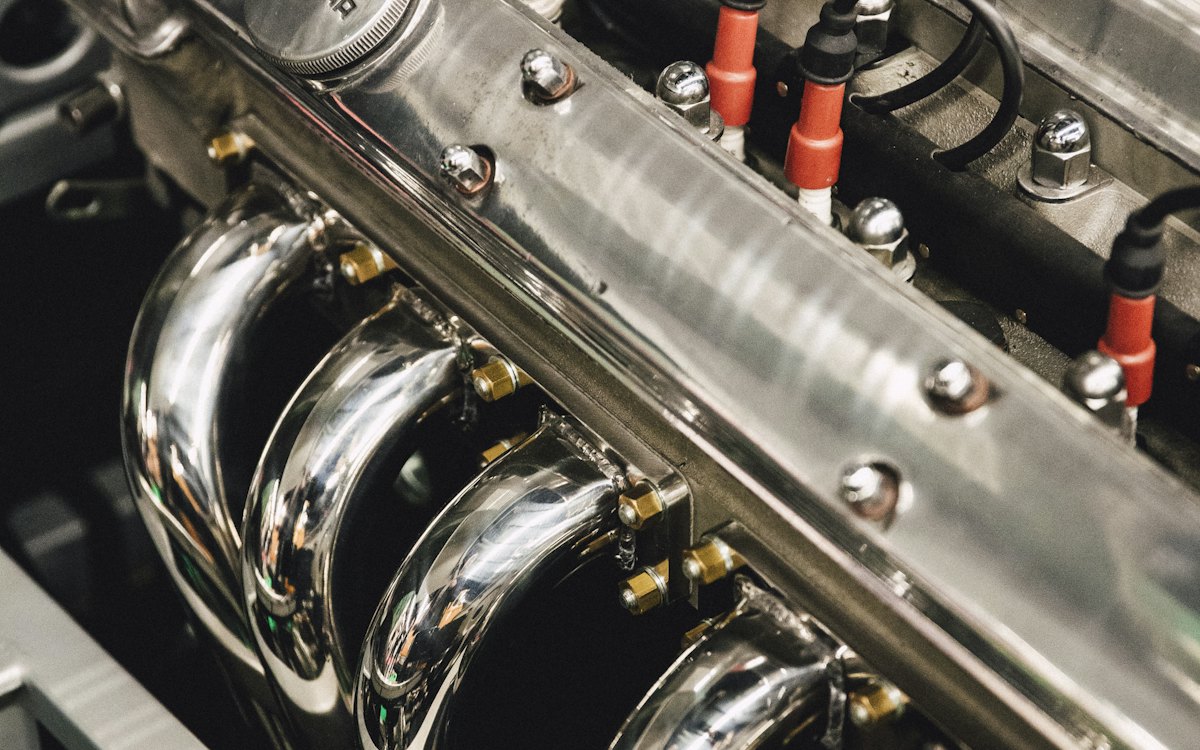
What a BMW engine replacement in Milpitas actually involves
A BMW engine replacement involves confirming the failure, sourcing the correct engine code, transferring or replacing sensors and accessories, renewing cooling and oil system parts known to fail, and programming or adapting the new engine to the car.

Overheating engines: causes, costs, and how to prevent damage
Engines overheat because of low coolant, a failed thermostat, a weak water pump, a clogged radiator, a failed cooling fan or a head gasket leak.
How long should a modern Japanese engine last?
A well-maintained modern Honda, Toyota or Nissan engine commonly lasts 250,000 miles or more.
Oil leaks: which ones are urgent and which can wait
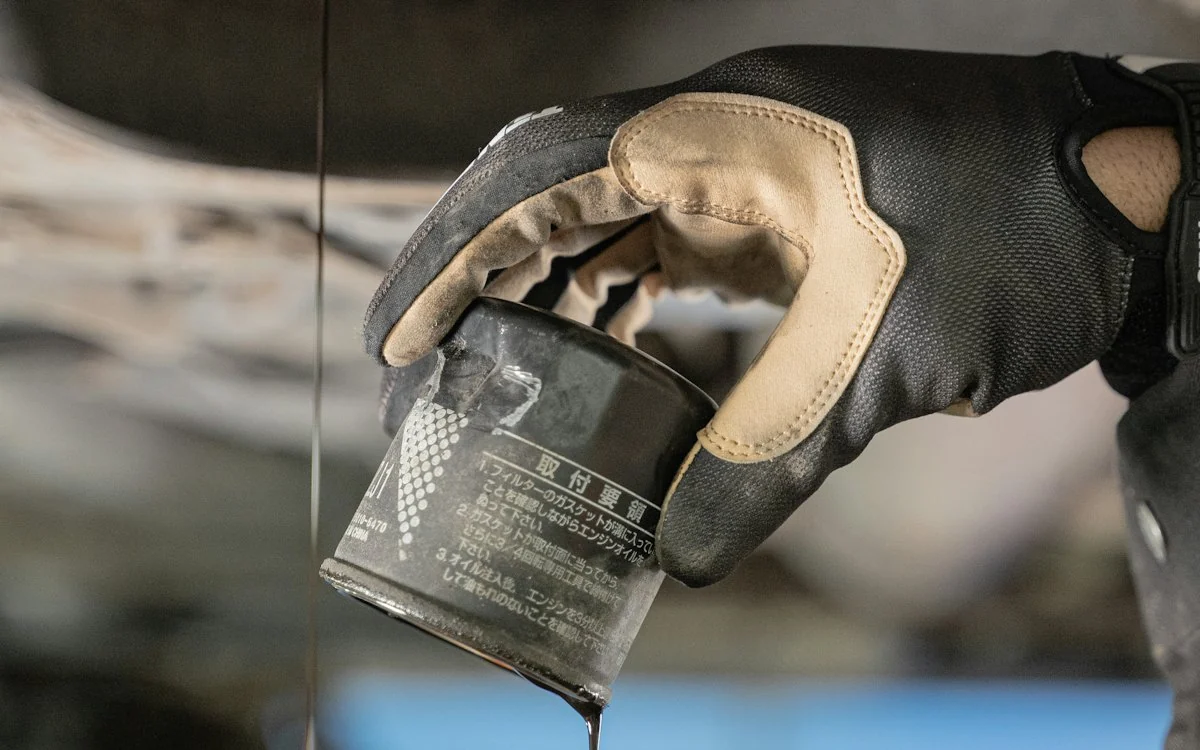
An oil leak is urgent when it drips onto hot exhaust parts, when the oil level drops quickly or when it comes from the rear main seal onto the clutch.
What to ask before approving a major engine repair
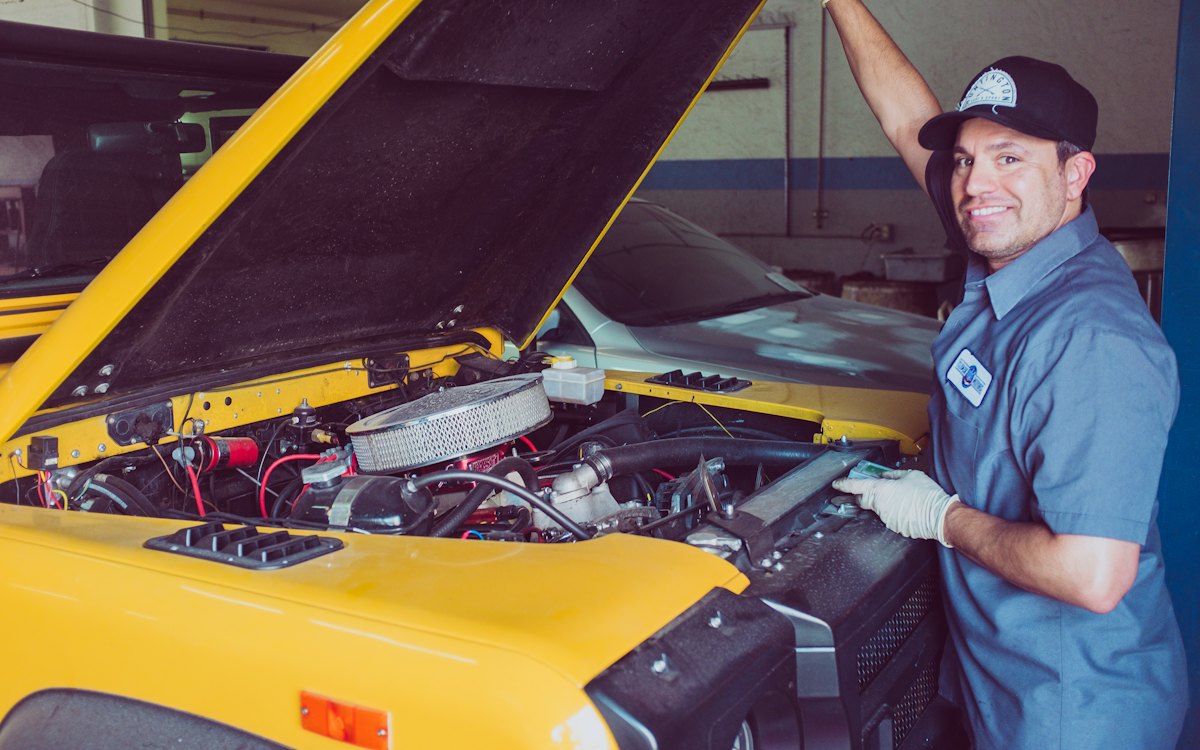
Before approving a major engine repair, ask what test confirmed the problem, what the total includes, what parts are being used, what the warranty covers and whether any other known issues should be addressed at the same time.
Brakes and safety
What you get: Stop safely on 880 and pay only for the brake parts your measurements say you need.
Related service: Brake repair in Milpitas
Brake warning signs Milpitas commuters should never ignore
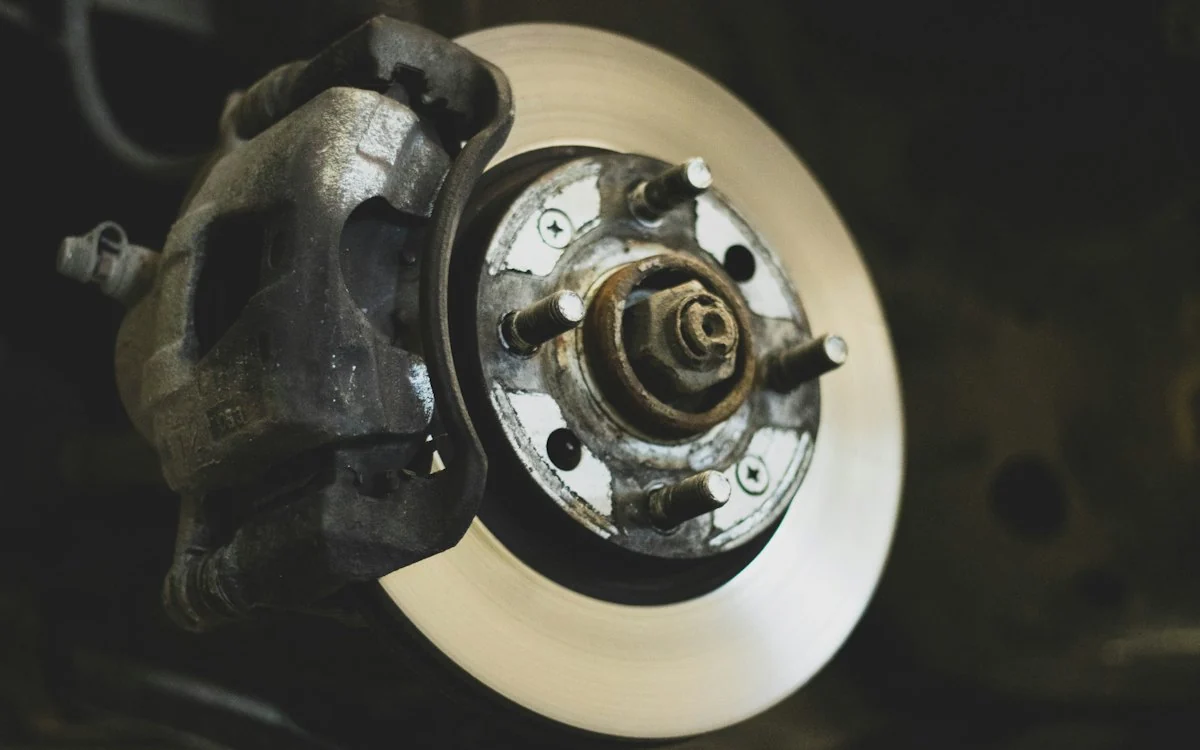
Get your brakes checked if you hear squealing or grinding, feel the pedal pulse or sink, notice the car pulling to one side or see the brake warning light.
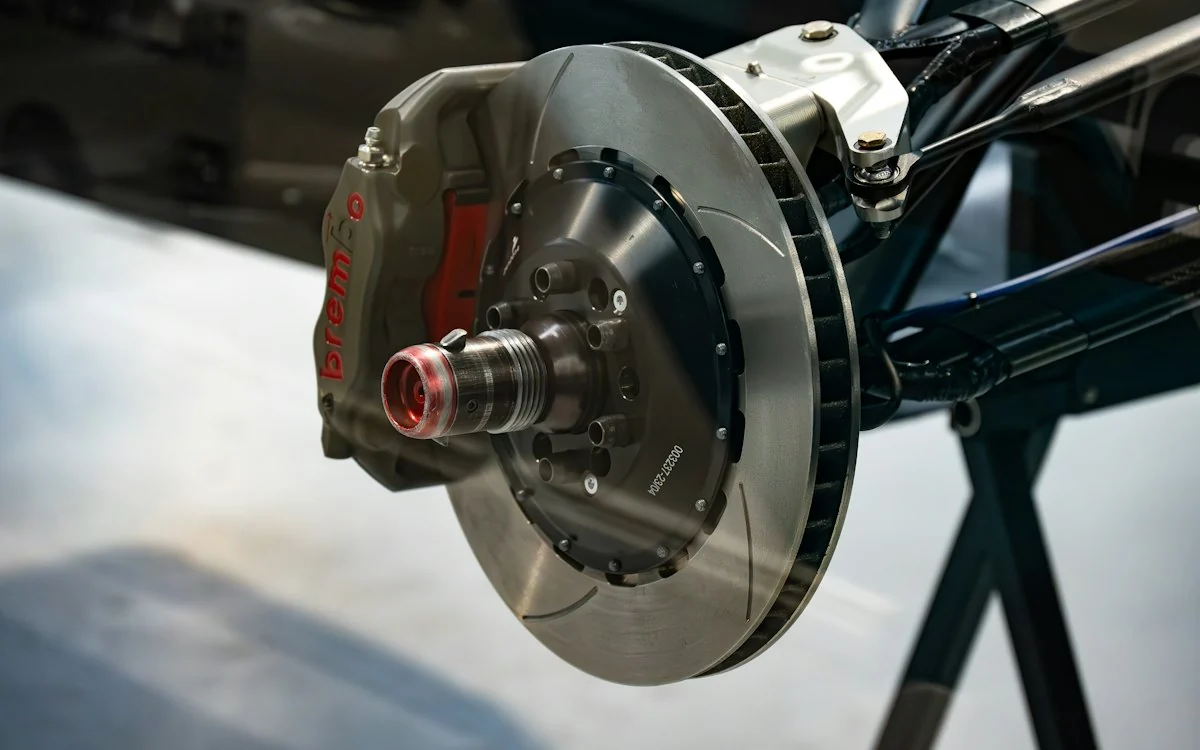
Do you really need new rotors with new brake pads?
Not always.
How often to change brake fluid, and why it matters
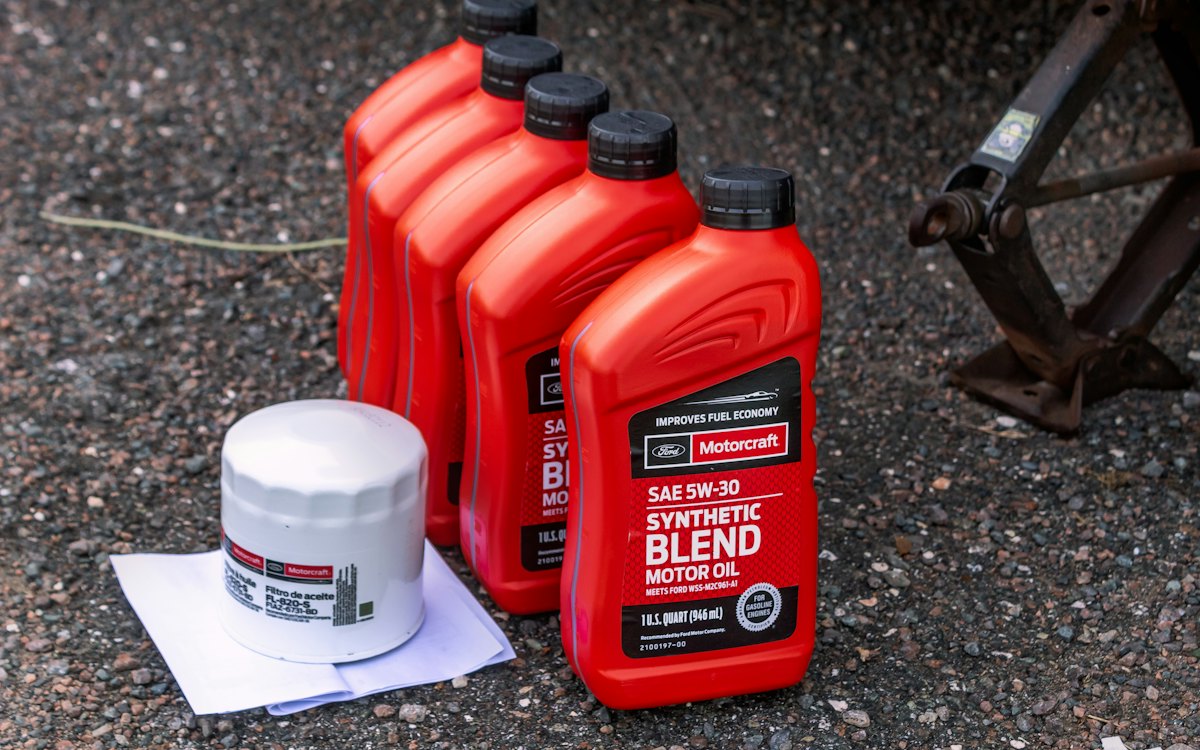
Most manufacturers recommend changing brake fluid every two to three years, because the fluid absorbs moisture from the air.
Grinding, squealing or pulsing brakes: what each sound means
Squealing usually means pads are worn to the indicator or the hardware needs lubrication, grinding means metal-on-metal contact and urgent repair, and pulsing means the rotor surface is uneven.

Why stop-and-go traffic on I-880 wears brakes faster
Stop-and-go traffic wears brakes faster because every stop converts the car's motion into heat in the pads and rotors, and commute traffic on I-880, 237 and Montague Expressway means hundreds of stops each week.
How much a brake job costs in Milpitas, itemized
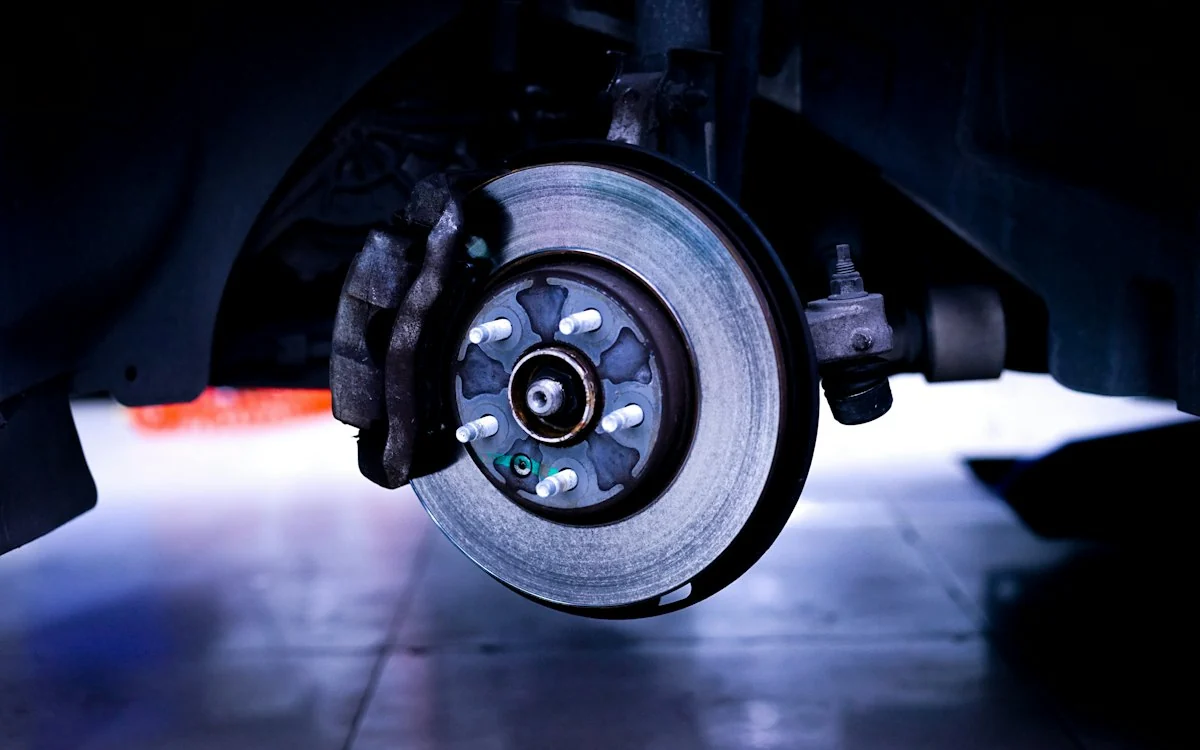
A brake job price depends on whether you need pads only, pads and rotors, calipers or a fluid service, plus the parts quality and your vehicle.
Brake pad types explained: which is right for your car
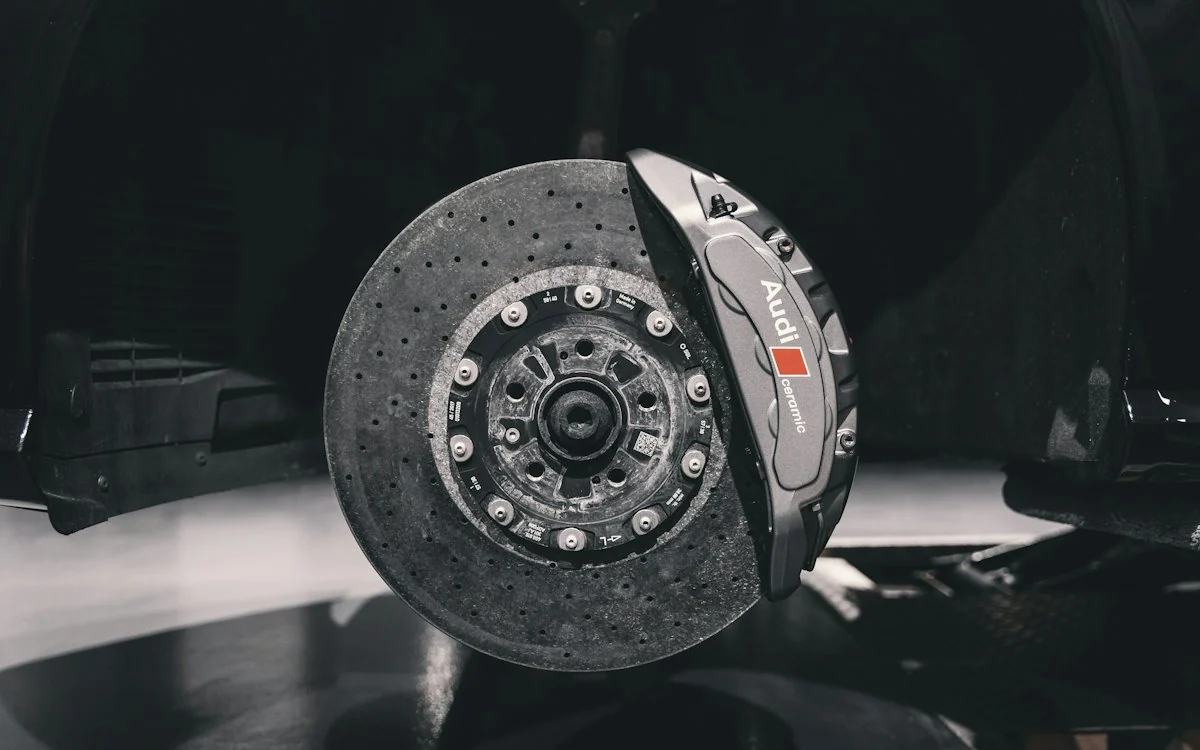
Ceramic pads are quiet, low-dust and long-lasting, which suits most daily drivers.
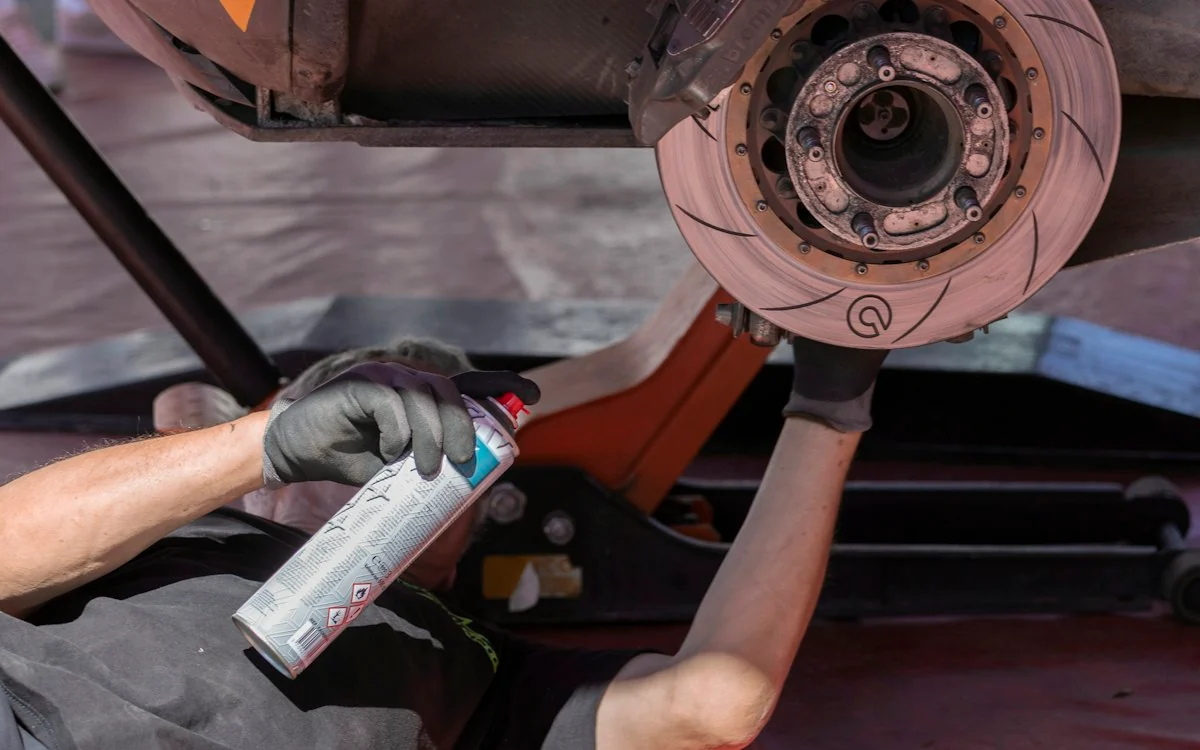
Spongy brake pedal: causes and what to check first
A spongy brake pedal usually means air in the brake lines, old moisture-filled fluid, a fluid leak or a failing master cylinder.
Routine maintenance
What you get: Follow a simple schedule built for Bay Area commuting that heads off the expensive surprises.
Related service: Oil change & tune-up in Milpitas
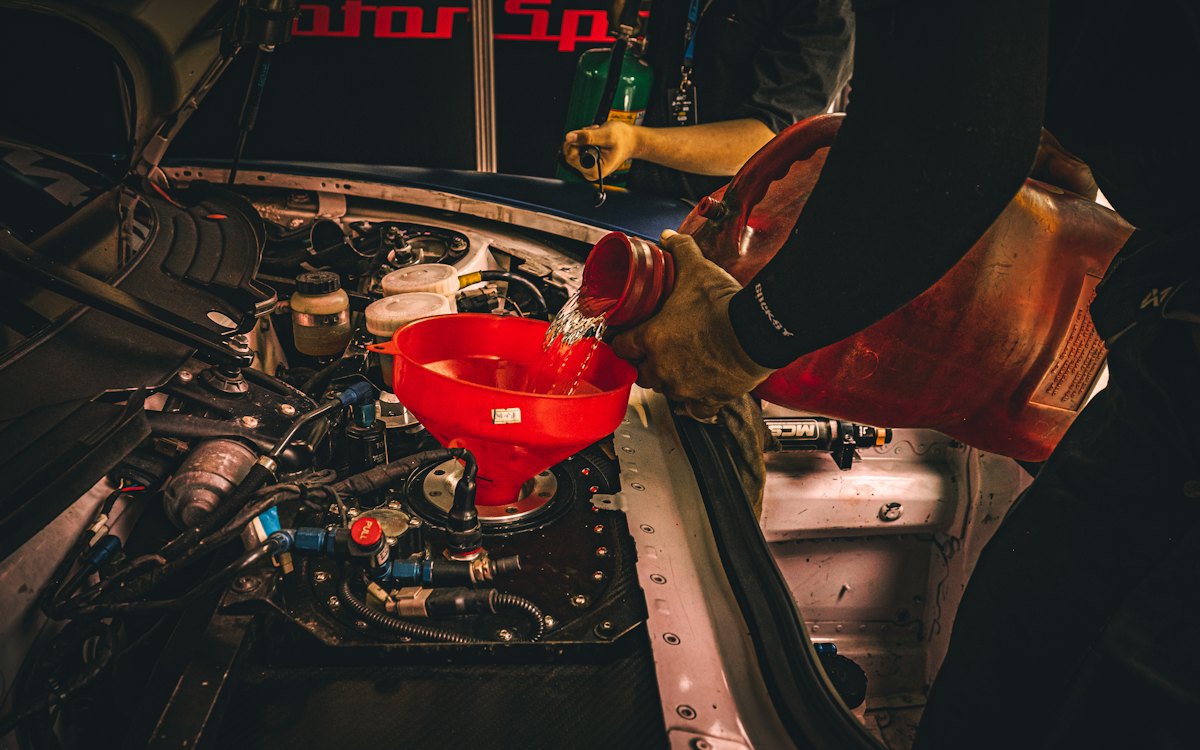
How often should you really change your oil?
Most modern cars using synthetic oil need a change every 5,000 to 10,000 miles, or at least once or twice a year, as indicated by the maintenance reminder.
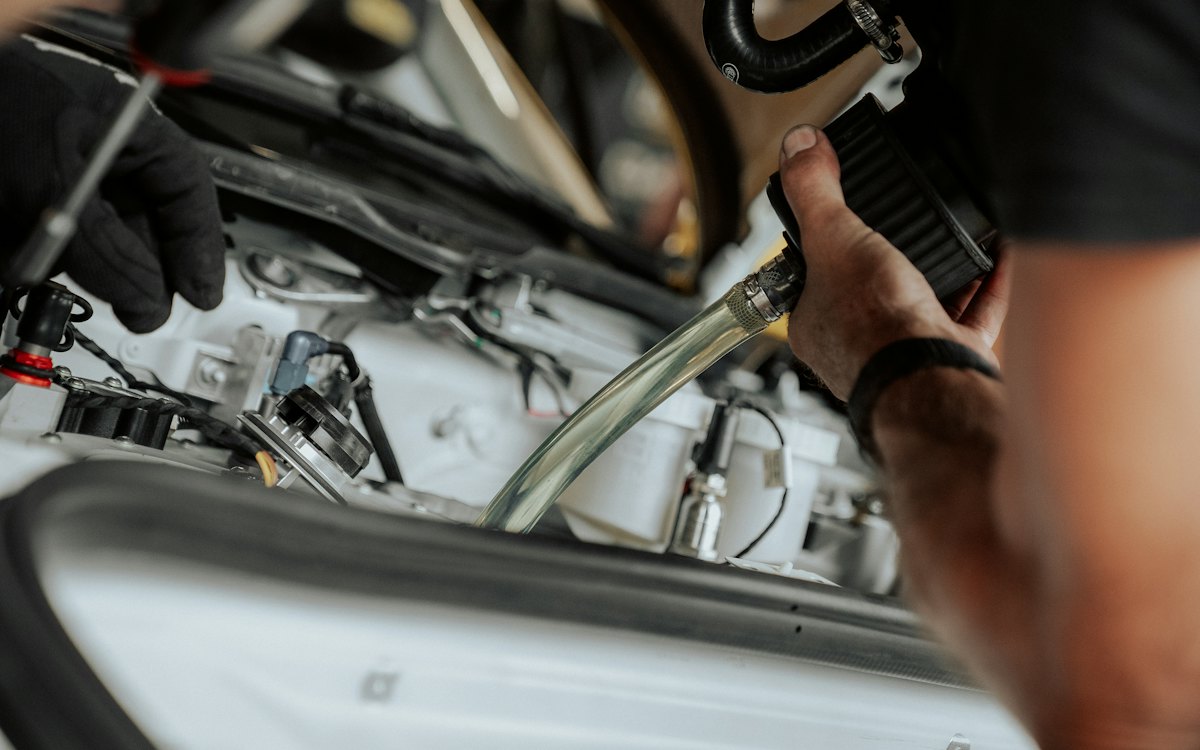
Synthetic vs conventional oil: what your car actually needs
If your owner's manual specifies synthetic oil, such as 0W-20 or 0W-16 for many Hondas and Toyotas, use synthetic.
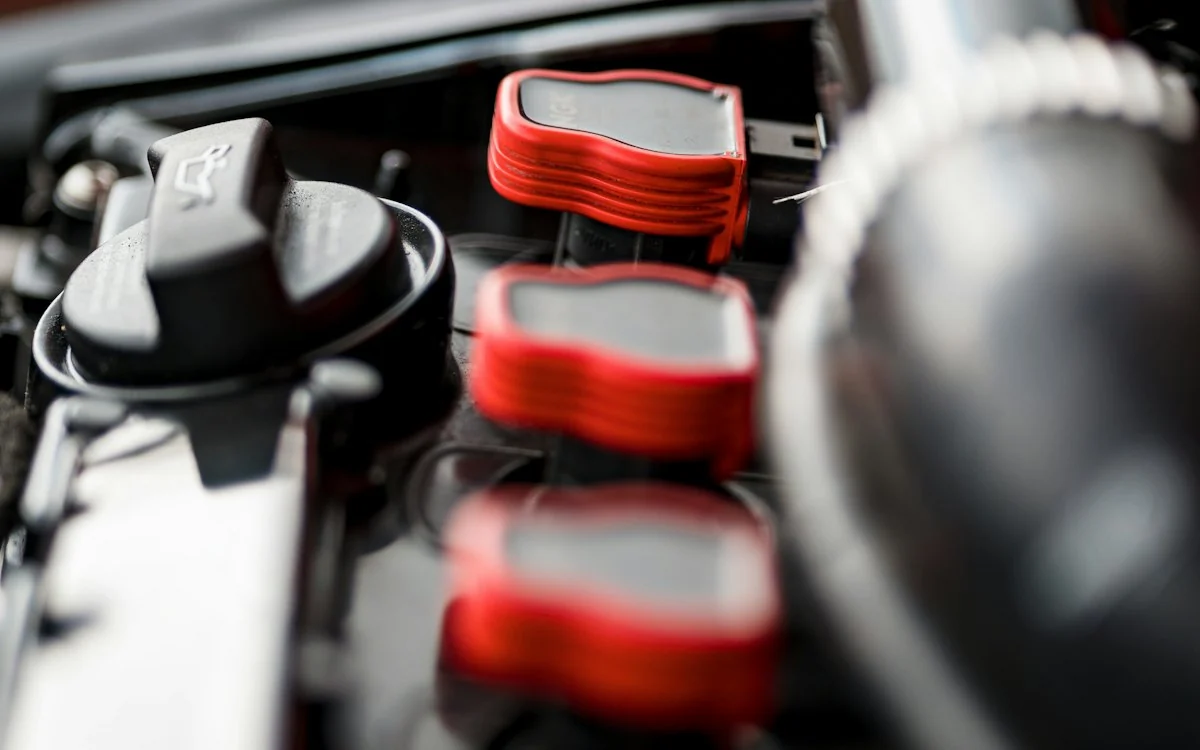
What is included in a tune-up (and what is not)
A modern tune-up usually includes spark plug replacement, air filter and cabin filter replacement, a throttle body cleaning when needed, an inspection of ignition components and a computer scan for stored faults.
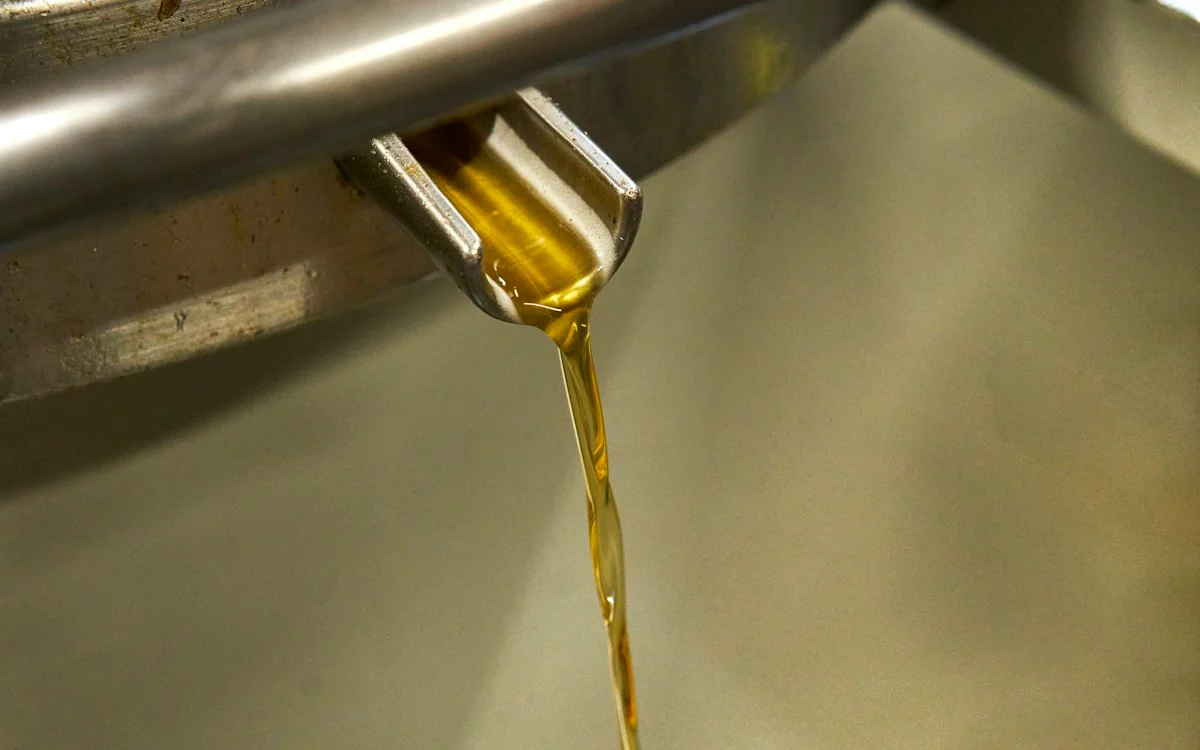
Same-day oil change in Milpitas: what to expect
A same-day oil change at Bay City Automotive includes the correct oil and filter for your engine, a fluid top-off, tire pressure adjustment and a quick visual inspection of brakes, belts, hoses and leaks.
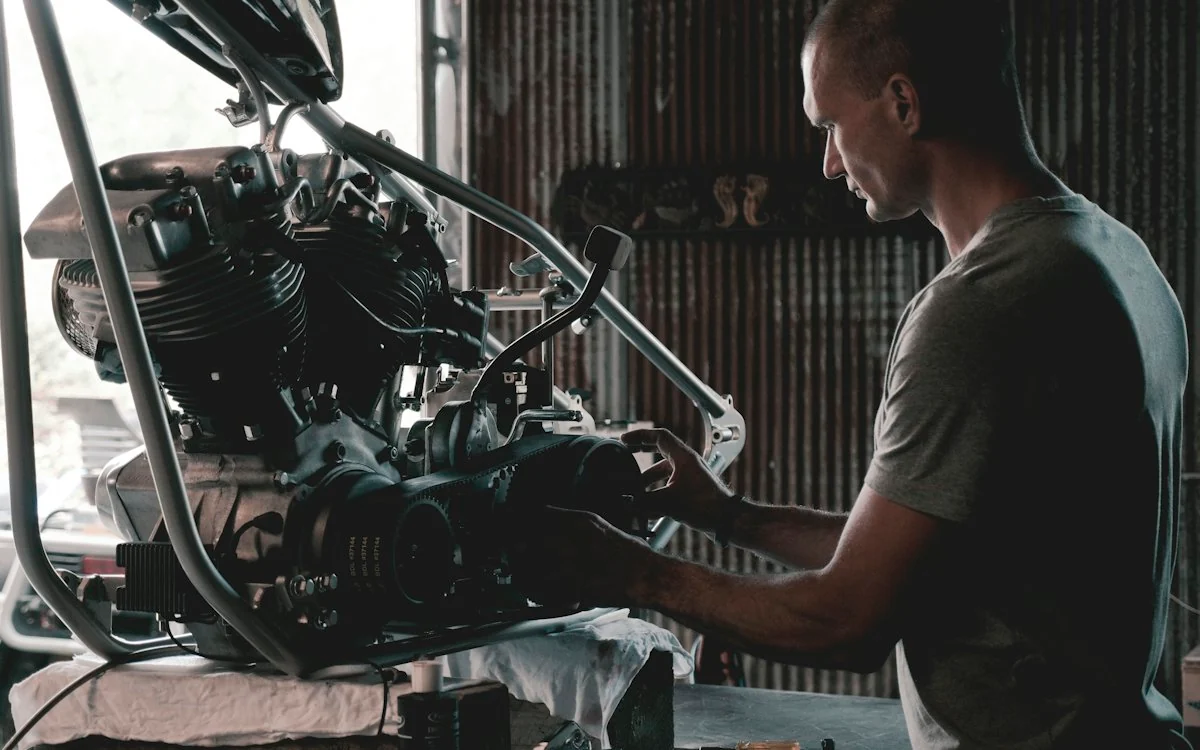
The maintenance items drivers skip that cost the most later
The skipped items that lead to the biggest bills are coolant changes, transmission fluid service, timing belt replacement and brake fluid changes.
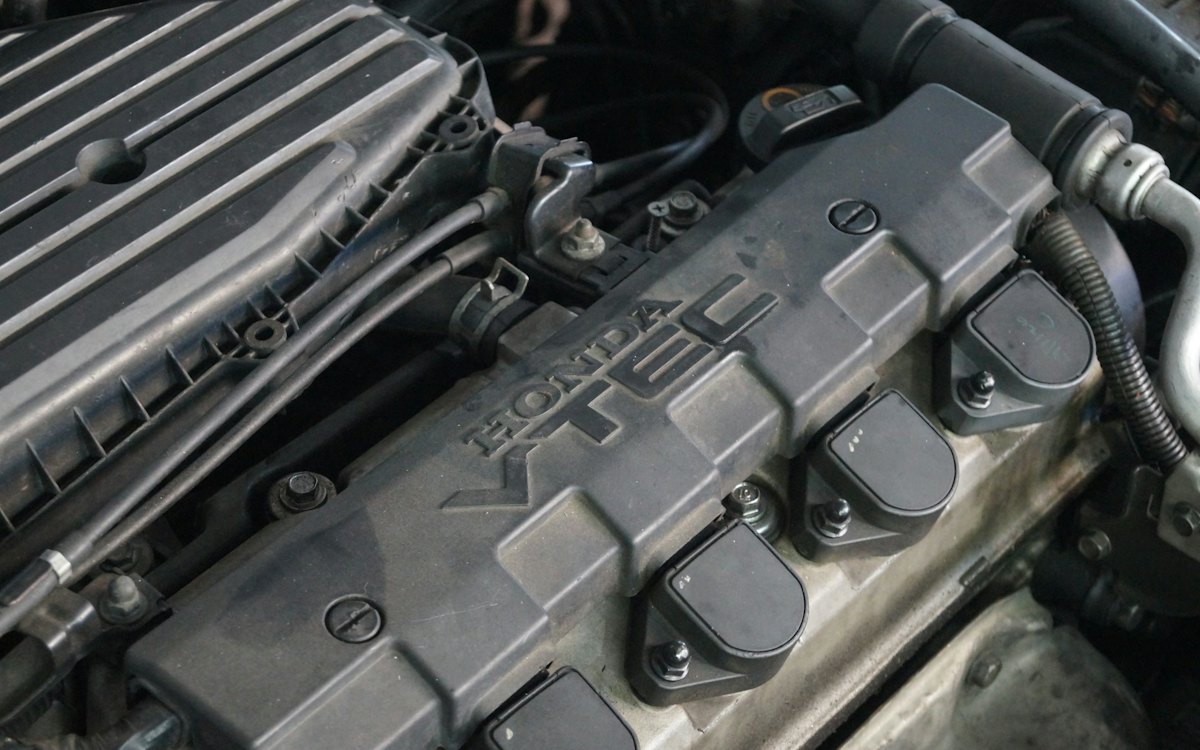
Spark plugs: when to replace them on Japanese engines
Most modern Honda, Toyota and Nissan engines use iridium spark plugs rated for about 100,000 to 120,000 miles.
Car fluids explained: oil, coolant, brake, transmission and more
Your car relies on engine oil for lubrication, coolant for temperature control, brake fluid for stopping, transmission fluid for shifting, power steering fluid where applicable and washer fluid for visibility.

A simple maintenance schedule for Bay Area commuter cars
For most Bay Area commuter cars, change oil every 5,000 to 7,500 miles, rotate tires every oil change, inspect brakes at every visit, replace air filters every 15,000 to 30,000 miles and service coolant and transmission fluid on the manufacturer's schedule..
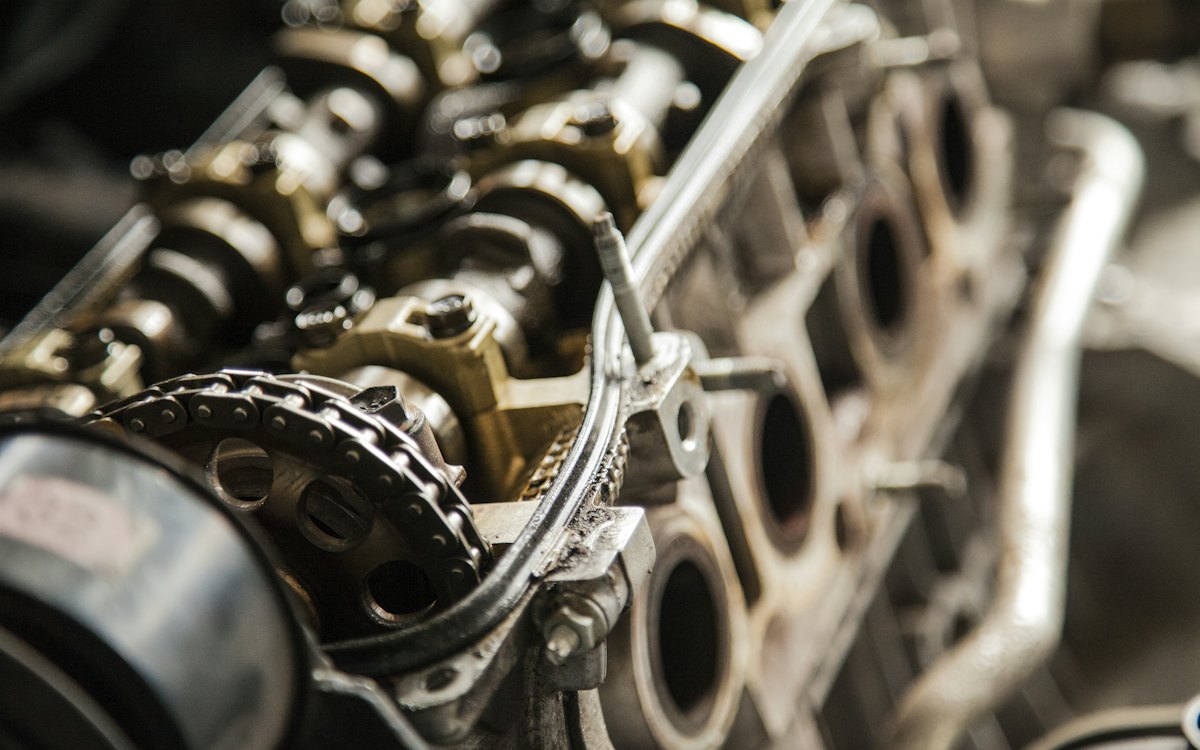
Why your car's air filter matters more than you think
A clean engine air filter keeps dust out of the engine and helps maintain performance, while a clean cabin air filter improves air quality inside the car.
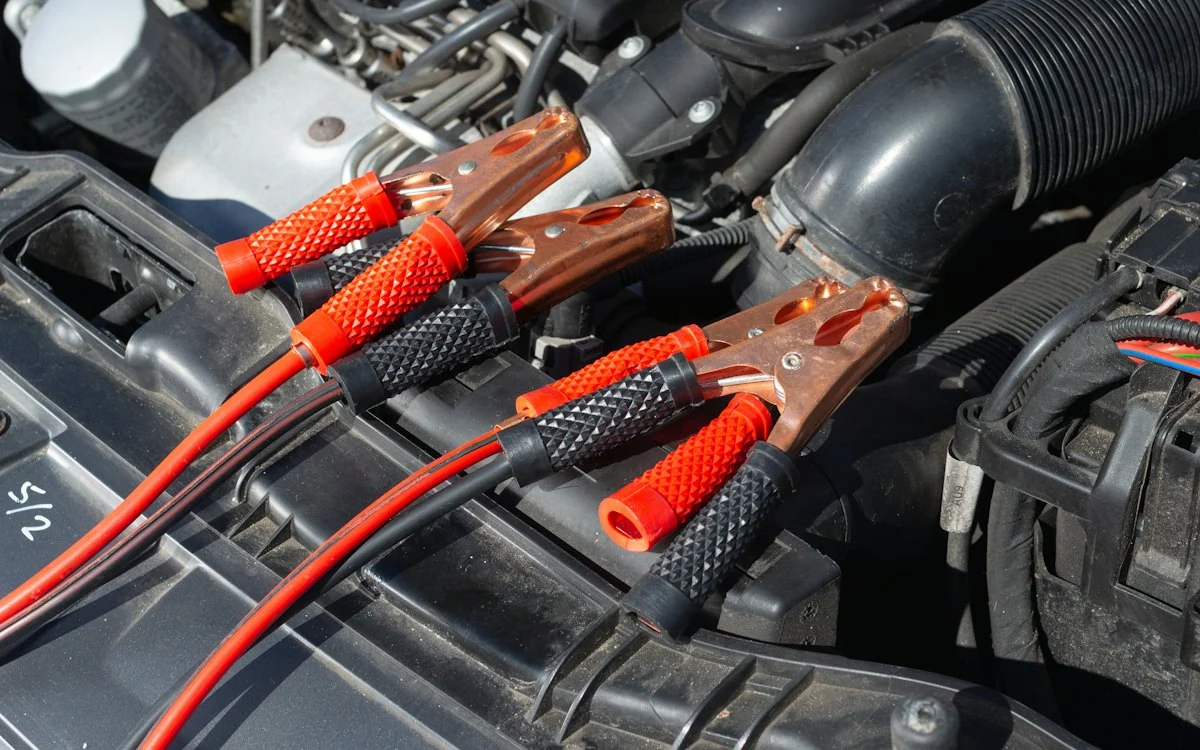
Battery life in the Bay Area: signs it is time to replace
Car batteries in the Bay Area typically last three to five years.
Buying, insurance and local guides
What you get: Buy a used car, file an insurance claim or pick a shop with confidence, and know which questions protect your wallet.
Related service: Vehicle inspection in Milpitas

Why a pre-purchase inspection is worth it before buying used
A pre-purchase inspection identifies hidden problems before you buy a used car, giving you leverage to negotiate or walk away.
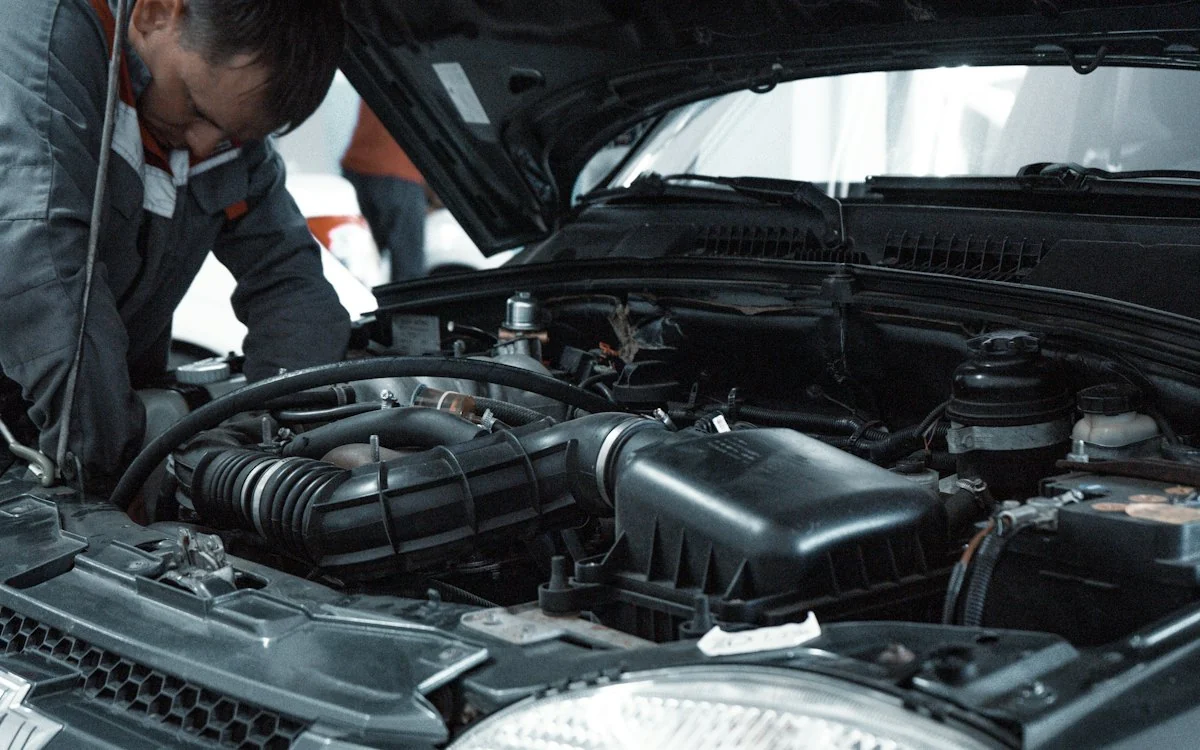
What a used-car inspection covers, step by step
A thorough used-car inspection covers engine, transmission, brakes, suspension, tires, fluids, electrical systems, computer codes and a road test, along with signs of prior accident damage..

Buying a used Honda or Toyota in the Bay Area: what to check
When buying a used Honda or Toyota, check service records, transmission behavior, oil consumption, suspension wear and any open recalls.
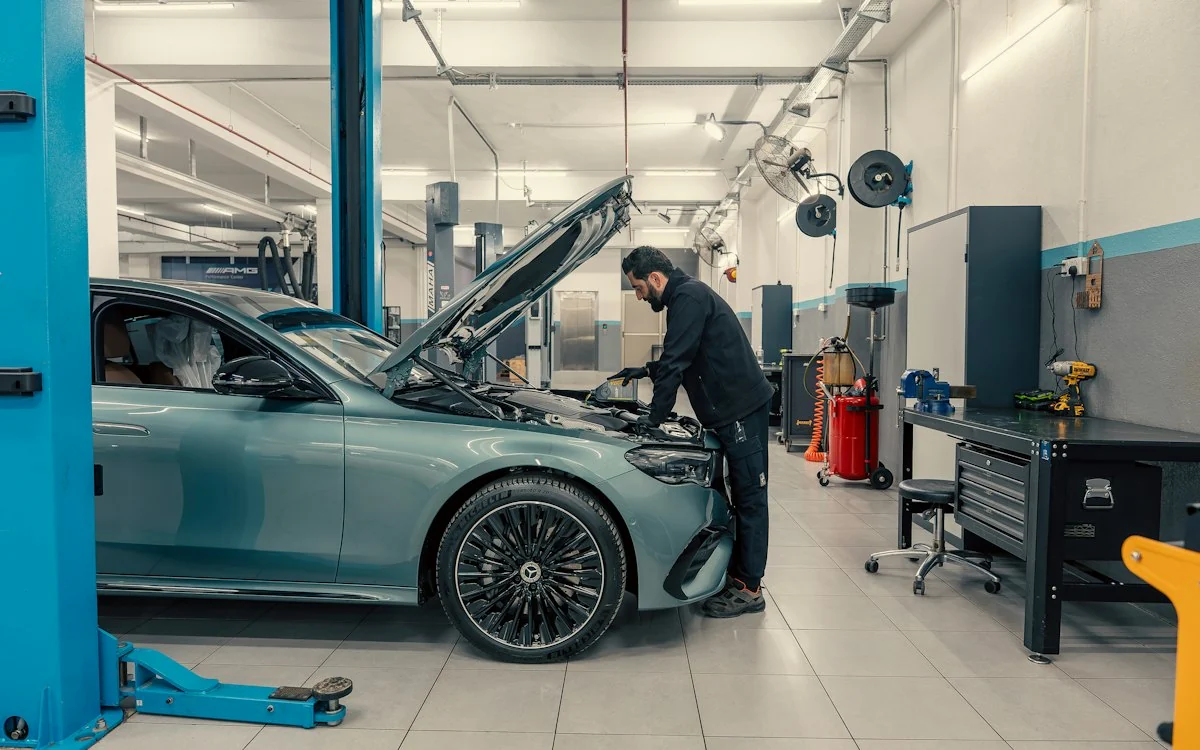
How to find an honest mechanic in Milpitas
Look for consistent reviews mentioning honesty, clear explanations and fair pricing, a shop that explains the diagnosis before quoting, and one that shows you old parts or test results..
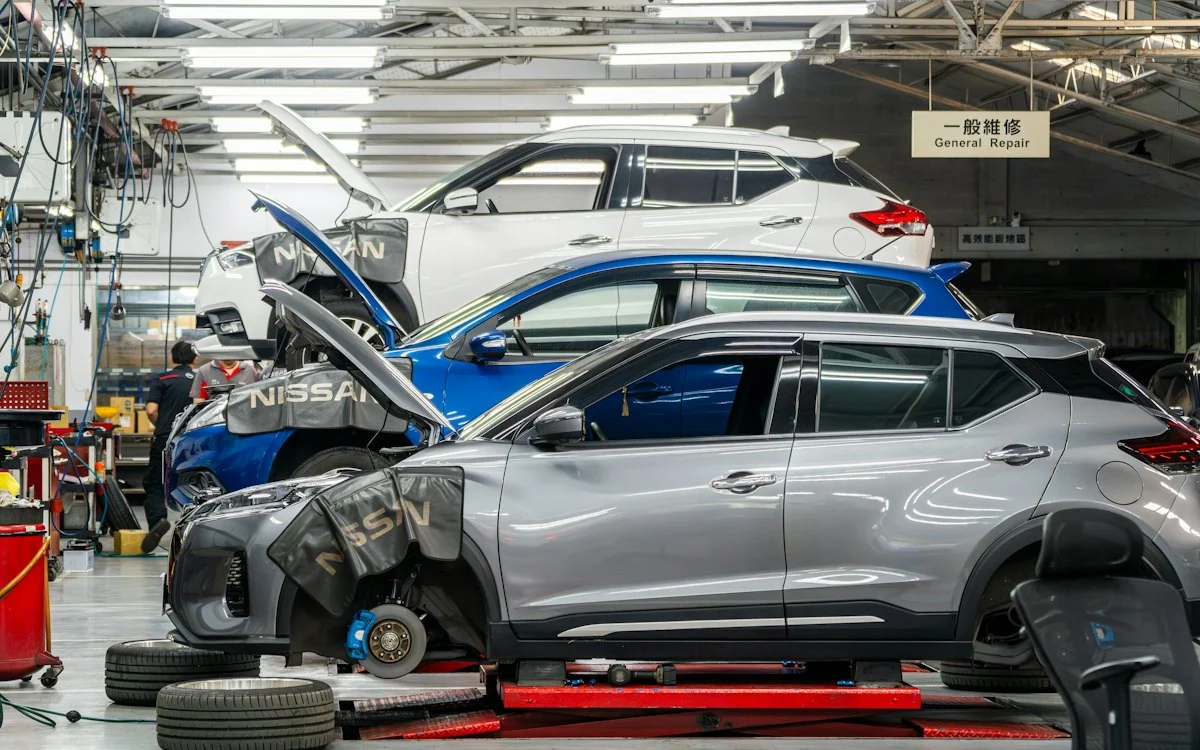
Questions to ask before you approve any car repair
Ask what problem was found, how it was confirmed, what the repair includes, what parts are used, what it costs and what warranty applies..
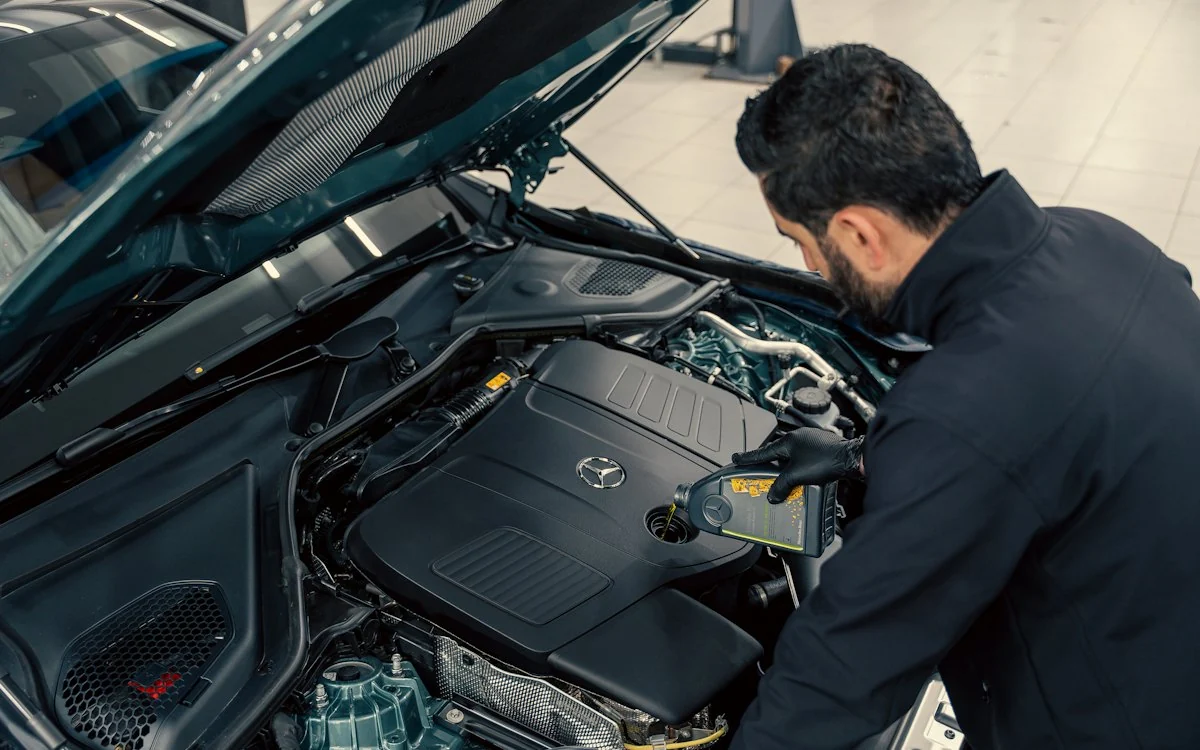
Auto repair and insurance claims: how the process works
After an accident, file a claim with your insurer, choose your repair shop, have the vehicle inspected and get the repair approved before work begins.
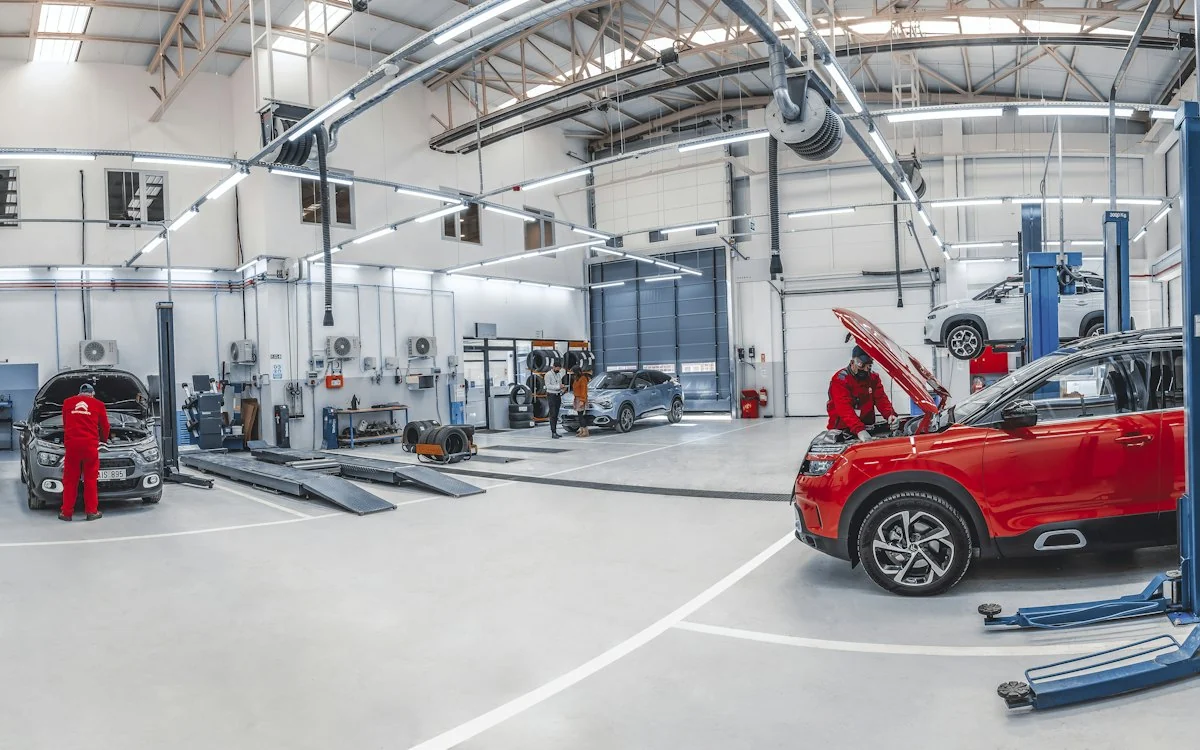
What 'works with all insurances' actually means for you
It means the shop can communicate with any insurance company, submit estimates and handle approvals, regardless of your provider..

Pre-road-trip checklist before leaving the Bay Area
Before a road trip, check tires, brakes, fluids, battery, lights and wipers, and make sure your oil change is up to date..

How Milpitas driving conditions affect your car
Milpitas driving combines stop-and-go freeway traffic, short trips and hot summer days, which increases wear on brakes, cooling systems, batteries and transmissions..
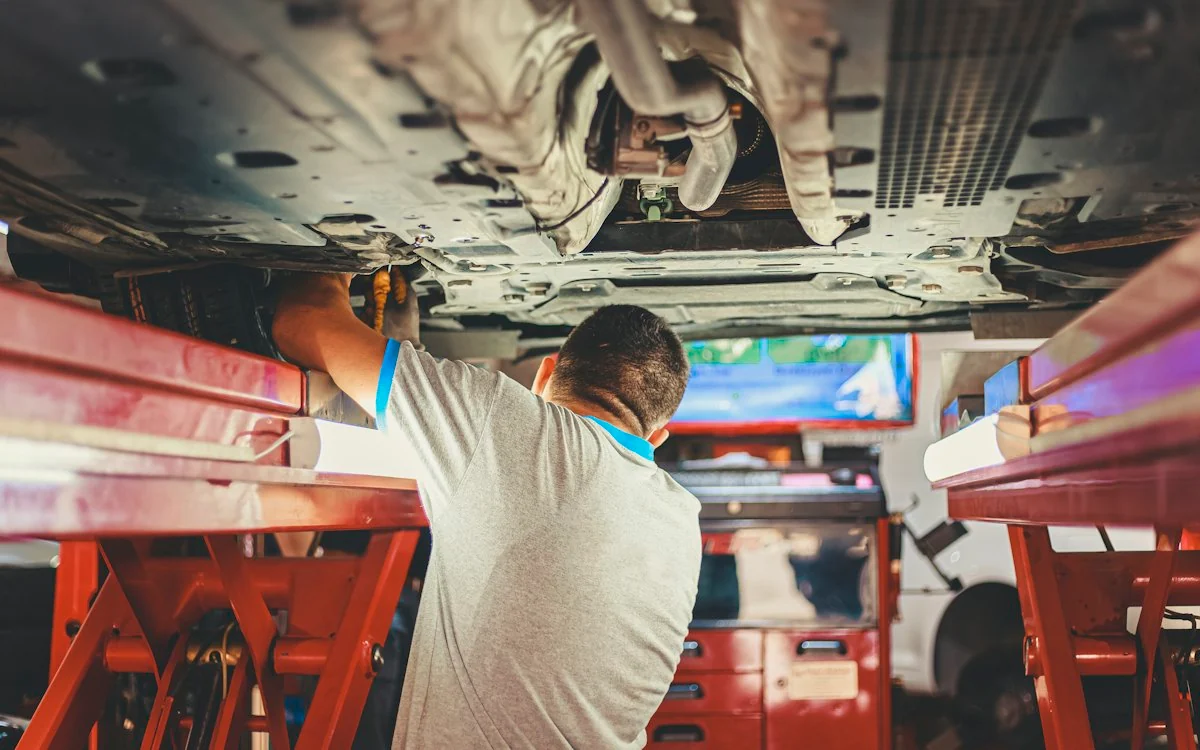
Warning signs you are being upsold at a repair shop
Be cautious if a shop pressures you to decide immediately, cannot explain why work is needed or recommends many unrelated services without evidence..
Pre-purchase inspection vs 'my cousin looked at it'
A professional inspection uses lifts, scan tools and experience to find issues that a casual look may miss..

Keeping a high-mileage commuter car reliable on a budget
Focus on oil changes, cooling system health, brakes, tires and fixing small leaks early.
Have a question a guide did not answer?
Call the shop and a technician will explain it in plain English.