
Short answer: Japanese imports last because they are engineered with conservative tolerances, but they only reach 250,000 miles when four things are done on time: clean oil, fresh coolant, healthy transmission fluid and timely spark plugs. Everything else on the schedule supports those four.
By the Bay City Automotive team · Reviewed by shop technicians · Last updated
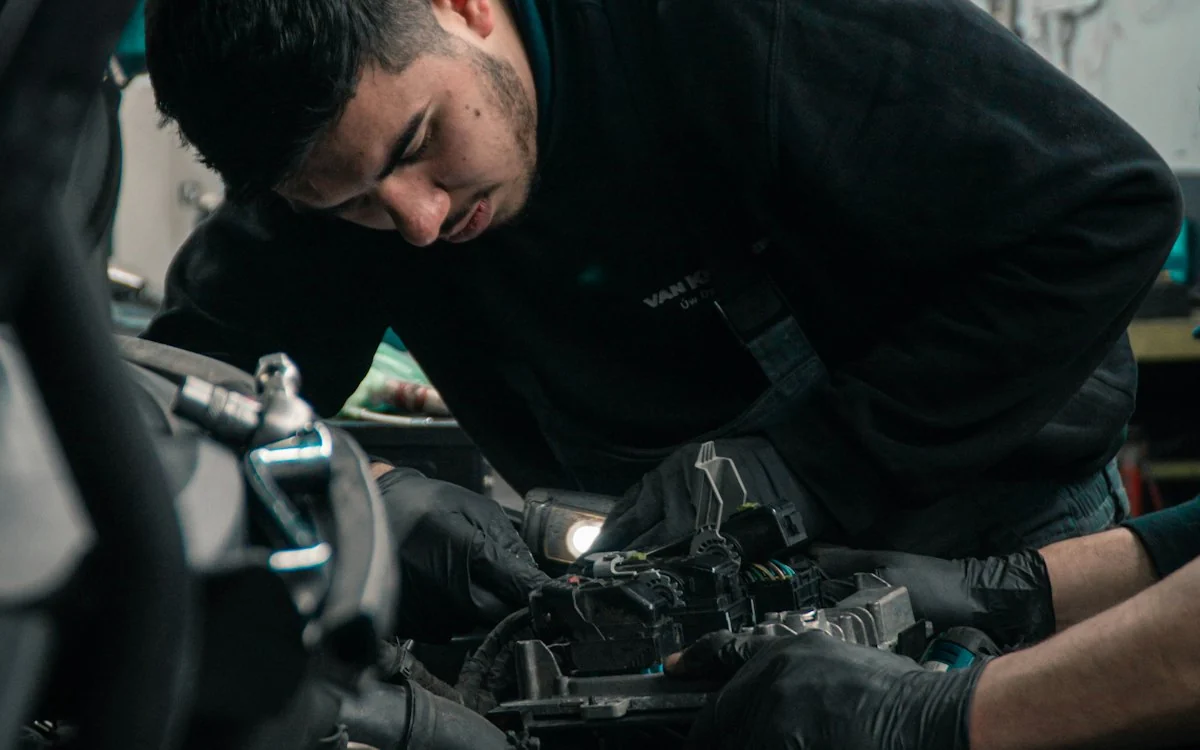
The four habits behind high-mileage Japanese cars
Clean oil protects variable valve timing, fresh coolant protects aluminum heads, the right transmission fluid keeps automatics and CVTs shifting smoothly, and correctly gapped plugs keep the catalytic converter healthy. Skip one for too long and the others start to suffer.
What owners tend to overlook
Coolant and transmission fluid are often called lifetime fluids, yet they degrade with heat cycles. On cars past 100,000 miles we regularly find fluid that has lost its protective additives, even when it still looks acceptable on the dipstick.
How we approach an older import
We start with a baseline inspection, record the condition of each system and build a maintenance plan you can spread over a few visits. That keeps the car reliable without asking you to pay for everything at once.
How Bay City Automotive handles this
Bay City Automotive is an independent Milpitas shop that specializes in Japanese imports, including Honda, Toyota, Nissan, Acura, Lexus and Infiniti. We diagnose the real cause first, explain your options in plain English and follow factory maintenance schedules without dealer add-ons.
Learn more on our japanese import repair page, or call (408) 942-5488 and a technician will explain your options before any work begins.
Key takeaways
- The four habits behind high-mileage Japanese cars.
- What owners tend to overlook.
- How we approach an older import.
Frequently asked questions
Is a 150,000-mile Toyota still worth maintaining?
Usually yes, if the engine and transmission test well. A healthy high-mileage Toyota often has many years left with routine care.