
Short answer: Ceramic pads are quiet, low-dust and long-lasting, which suits most daily drivers. Semi-metallic pads handle heat better for trucks, towing and spirited driving, while organic pads are soft and quiet but wear faster.
By the Bay City Automotive team · Reviewed by shop technicians · Last updated
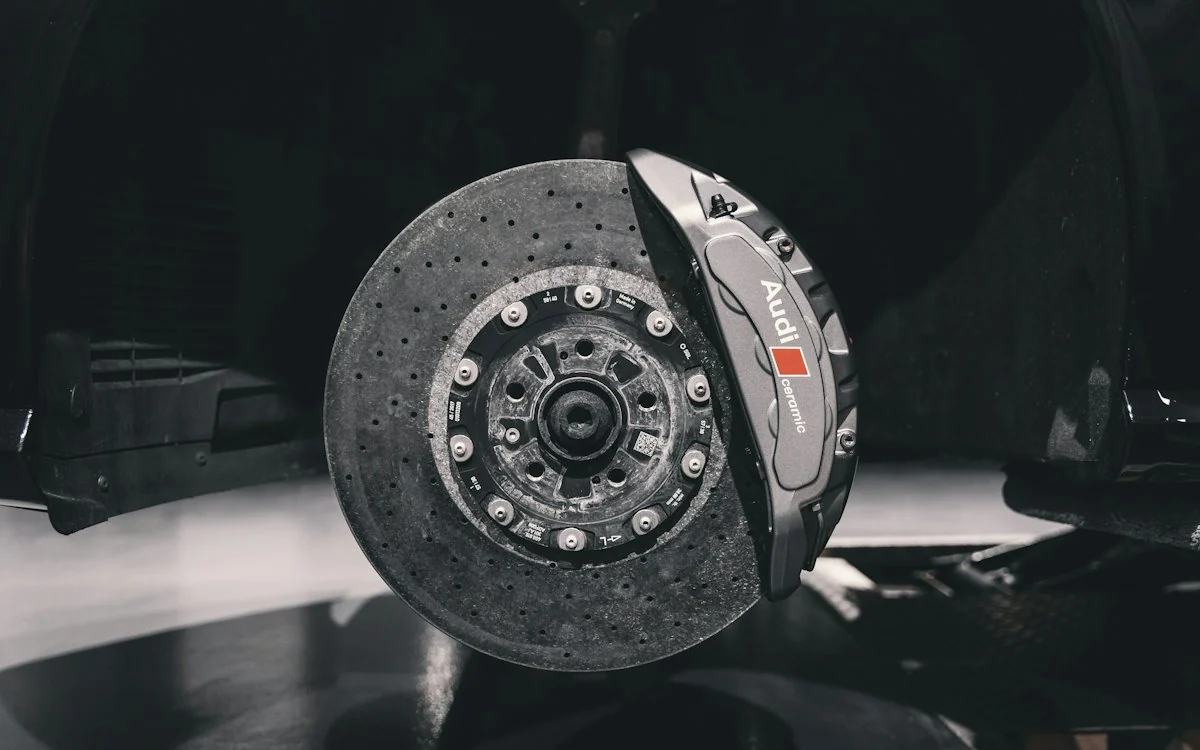
Ceramic
Ceramic pads are the most common choice for Japanese sedans and crossovers because they are quiet and produce little dust.
Semi-metallic
Semi-metallic pads contain steel fibers that improve heat resistance, which makes them common on trucks and performance cars, though they may be noisier.
Organic
Organic pads are soft and gentle on rotors but wear faster and are less common on modern vehicles.
Pads, rotors and noise
The right pad also depends on the rotor it rubs against. A new pad on a worn or uneven rotor can squeal, vibrate or wear out early, which is why rotors are measured during every brake job. Pads also need a short bedding-in period, gentle stops over the first miles, to lay an even layer of material on the rotor.
How Bay City Automotive handles this
Bay City Automotive repairs brakes in Milpitas, from pads and rotors to calipers and fluid. We measure pad thickness and rotor condition, show you the readings and quote only what the measurements support.
Learn more on our brake repair page, or call (408) 942-5488 and a technician will explain your options before any work begins.
Key takeaways
- Ceramic.
- Semi-metallic.
- Organic.
Frequently asked questions
Which pads come with your brake service?
We match the pad type to your vehicle and driving, and explain the options before installing.