
Short answer: A timing belt is a rubber part with a scheduled replacement interval, typically 90,000 to 105,000 miles, while a timing chain is metal and designed to last the life of the engine with clean oil. Knowing which one your car has decides whether a big maintenance bill is due.
By the Bay City Automotive team · Reviewed by shop technicians · Last updated
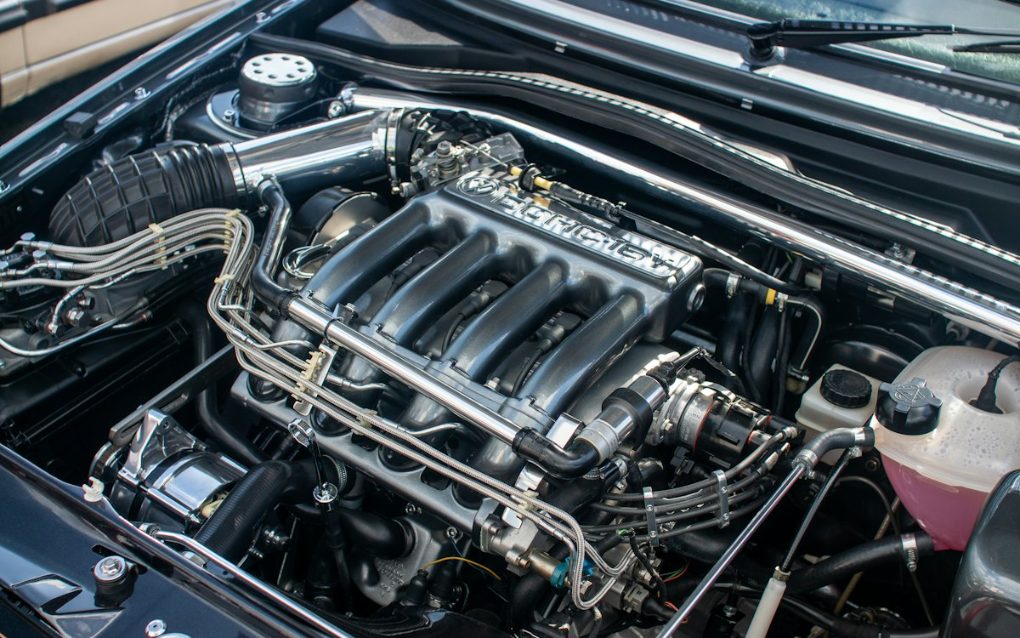
Which common models use belts
Many V6 Hondas and Acuras, including older Odyssey, Pilot and MDX models, use a timing belt, as do some older Toyota V6 engines. Most four-cylinder Hondas and Toyotas built in the last twenty years use chains.
Why a skipped belt is so costly
On an interference engine, a broken belt lets the valves contact the pistons, which can destroy the cylinder head. Replacing the belt, tensioner and water pump on schedule costs a fraction of that repair.
Chains still need attention
Chains rely on oil pressure for their tensioners. Long oil intervals or low oil can cause a rattle on cold start, and that sound deserves a prompt inspection before it becomes a jumped-timing fault.
How Bay City Automotive handles this
Bay City Automotive is an independent Milpitas shop that specializes in Japanese imports, including Honda, Toyota, Nissan, Acura, Lexus and Infiniti. We diagnose the real cause first, explain your options in plain English and follow factory maintenance schedules without dealer add-ons.
Learn more on our japanese import repair page, or call (408) 942-5488 and a technician will explain your options before any work begins.
Key takeaways
- Which common models use belts.
- Why a skipped belt is so costly.
- Chains still need attention.
Frequently asked questions
How do I find out which one my car has?
Your owner's manual will list a timing belt interval if you have one. You can also call us with your year, make and engine and we will tell you.