
Short answer: A misfire happens when a cylinder fails to burn its fuel completely, usually because of weak spark, poor fuel delivery or low compression. Most misfires are fixed with a spark plug, ignition coil or injector, and testing tells you which one before you pay for parts.
By the Bay City Automotive team · Reviewed by shop technicians · Last updated
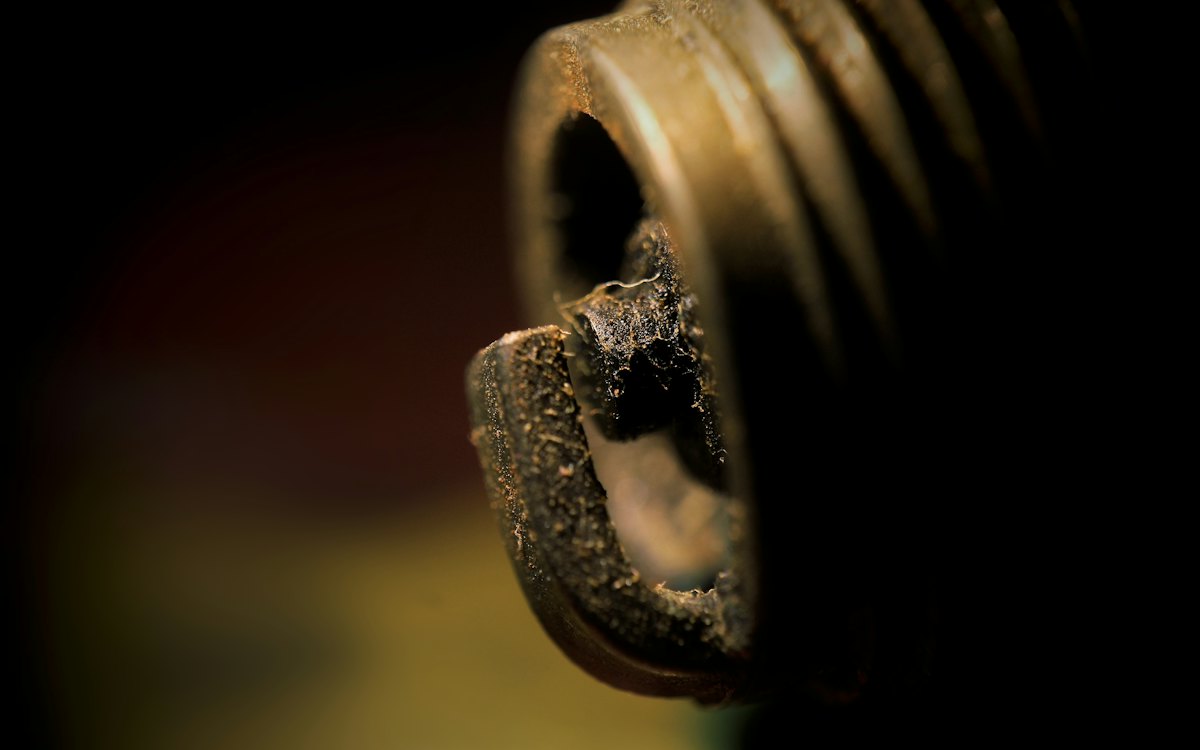
Spark, fuel and compression
Every cylinder needs a strong spark, the right amount of fuel and enough compression. We test each one in turn, starting with the quickest checks, so the cause is confirmed rather than assumed.
The swap test
On engines with individual coils, moving the suspect coil to another cylinder shows whether the misfire follows the coil. If it does, the coil is the cause, and if it stays put, we look at the plug, injector or compression.
Why repair cost varies
A single coil is a modest repair, while a misfire caused by a burned valve or worn rings is an engine job. We tell you which category you are in before any money is spent.
How Bay City Automotive handles this
A check-engine light means your car's computer has detected a fault. At Bay City Automotive we read the code, test the system to confirm the cause and explain the repair in plain English before any parts are replaced.
Learn more on our check-engine diagnostics page, or call (408) 942-5488 and a technician will explain your options before any work begins.
Key takeaways
- Spark, fuel and compression.
- The swap test.
- Why repair cost varies.
Frequently asked questions
Should I replace all the coils if one fails?
Not necessarily. We replace the failed coil and only suggest others if testing shows they are weak.