
Short answer: A car that shakes and loses power usually has a misfire, a fuel delivery problem, a clogged air or exhaust path, or a transmission fault. Shaking only at certain speeds may also point to tires or axles, so when it happens is the most useful clue you can give your mechanic.
By the Bay City Automotive team · Reviewed by shop technicians · Last updated
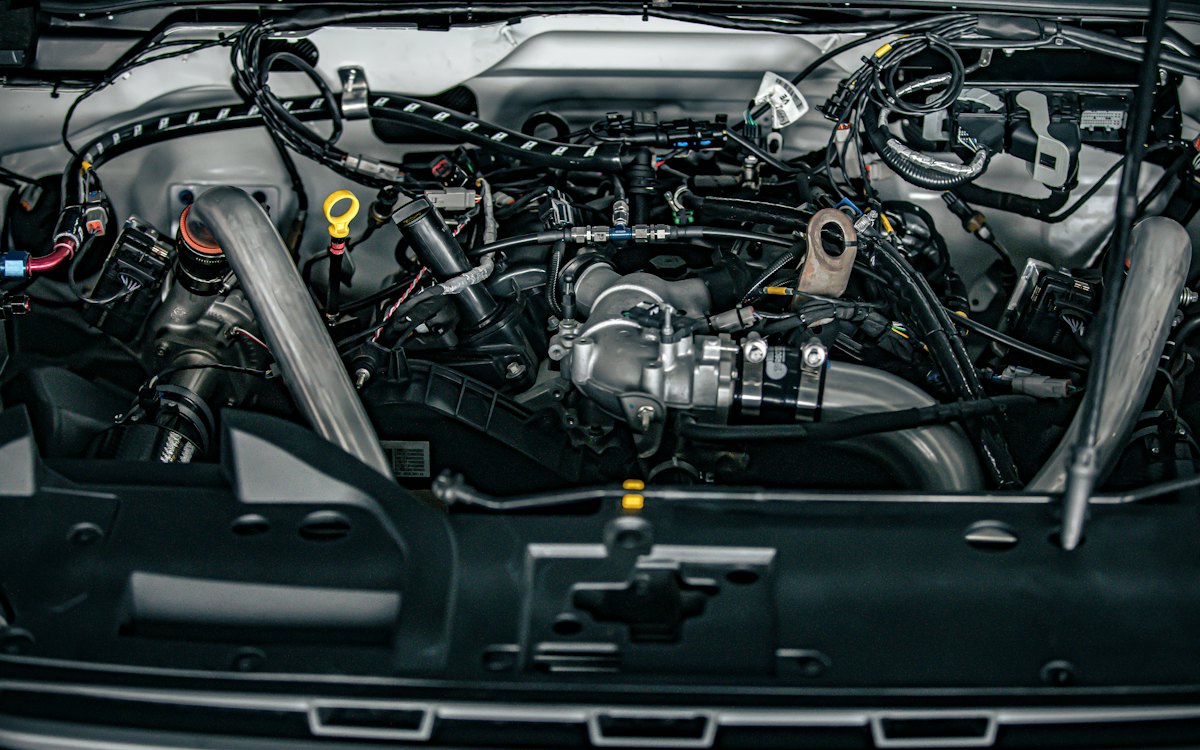
Shaking at idle and under acceleration
Shaking at a stop or when you press the gas is most often an ignition misfire from a worn plug or coil, or a vacuum leak. A failing engine mount can also exaggerate normal vibration.
Shaking at highway speed
A vibration that starts around 55 to 65 mph and changes with speed rather than engine RPM usually comes from tire balance, a bent wheel or a worn axle joint.
Losing power on hills
A weak fuel pump, a clogged catalytic converter or a slipping transmission can make the car struggle up the grade on Calaveras Road. One of our reviewers described exactly this, a car shaking with little power, and testing found the problem quickly.
How Bay City Automotive handles this
A check-engine light means your car's computer has detected a fault. At Bay City Automotive we read the code, test the system to confirm the cause and explain the repair in plain English before any parts are replaced.
Learn more on our check-engine diagnostics page, or call (408) 942-5488 and a technician will explain your options before any work begins.
Key takeaways
- Shaking at idle and under acceleration.
- Shaking at highway speed.
- Losing power on hills.
Frequently asked questions
Should I keep driving if the car shakes?
If the check-engine light is flashing or the car loses significant power, stop driving and call for advice.