
Short answer: Most modern Honda, Toyota and Nissan engines use iridium spark plugs rated for about 100,000 to 120,000 miles. Replacing them on time protects ignition coils, catalytic converters and fuel economy.
By the Bay City Automotive team · Reviewed by shop technicians · Last updated
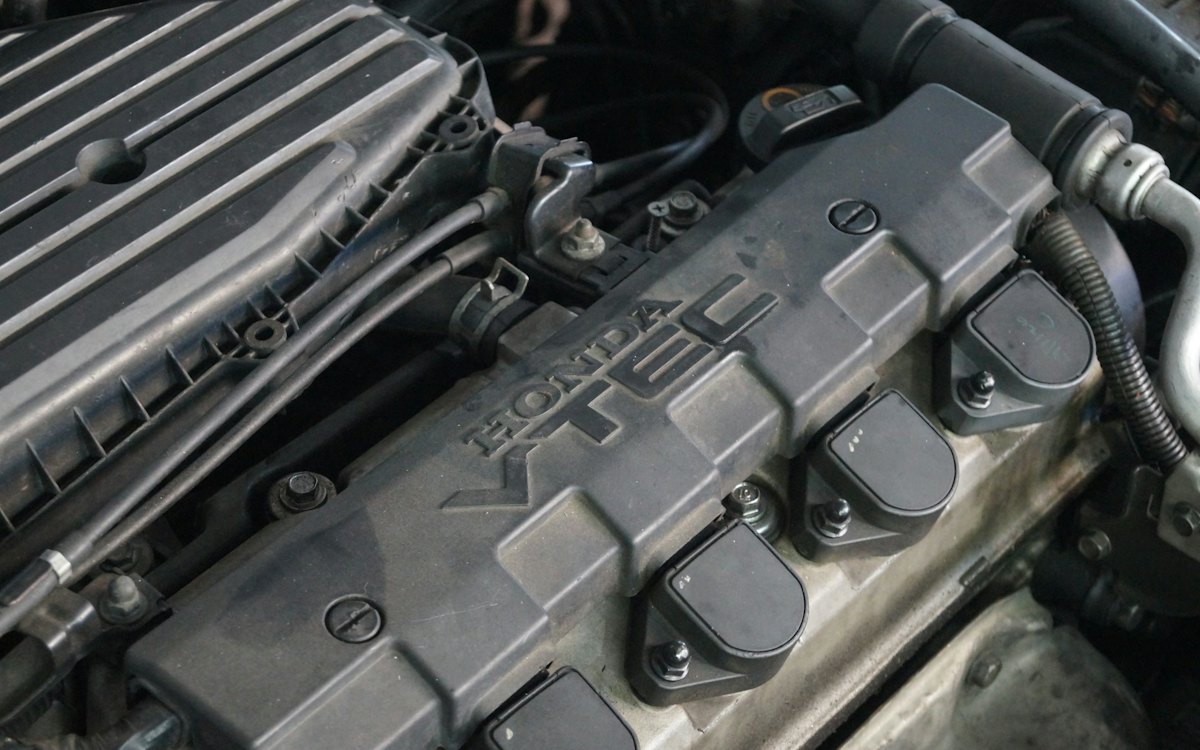
Why long-life plugs still wear
The electrode gap widens slowly, which makes the coil work harder to create a spark. Eventually this can cause misfires and stress the ignition coils.
Signs plugs are overdue
Rough idle, hesitation under acceleration and reduced fuel economy can point to worn plugs.
Correct installation matters
Using the correct plug, gap and torque prevents damage to aluminum cylinder heads.
Checking the old plugs
The old plugs tell a technician how the engine has been running. Oily deposits can point to worn valve seals or rings, black soot to a rich fuel mixture, and white blistering to an engine running too hot. That makes the old plugs worth keeping until the job is done.
How Bay City Automotive handles this
Bay City Automotive offers same-day oil changes and tune-ups in Milpitas, using the oil grade and filter your engine specifies. Each visit includes a visual check of brakes, belts, hoses, tires and leaks.
Learn more on our oil change & tune-up page, or call (408) 942-5488 and a technician will explain your options before any work begins.
Key takeaways
- Why long-life plugs still wear.
- Signs plugs are overdue.
- Correct installation matters.
Frequently asked questions
Should I replace ignition coils with spark plugs?
Only if testing shows they are weak or failing.